People come to Adelaide for the wine, the festivals and the beaches, and then somewhere around their second morning they look up and realise the city itself is the attraction. Adelaide architecture tells the whole story of the place in stone: a free colony that arrived with money and manners, a Victorian boom built on copper and wheat, and a modern city quietly grafting glass and steel onto a sandstone spine. I’ve walked visitors through it more times than I can count, and the best way to read Adelaide is on foot, era by era. If you want the wider context first, our guide to Adelaide’s culture and arts scene sets the scene; this is the building-by-building walk I’d actually take you on.
What makes it work is geography. Colonel Light laid the city out as a tight grid wrapped in parklands, so almost everything worth seeing sits within a flat, walkable square. You can trace nearly two centuries of design between breakfast and a late lunch without ever needing a car. Let me show you how.
The blueprint: Colonel Light and the plan that designed Adelaide
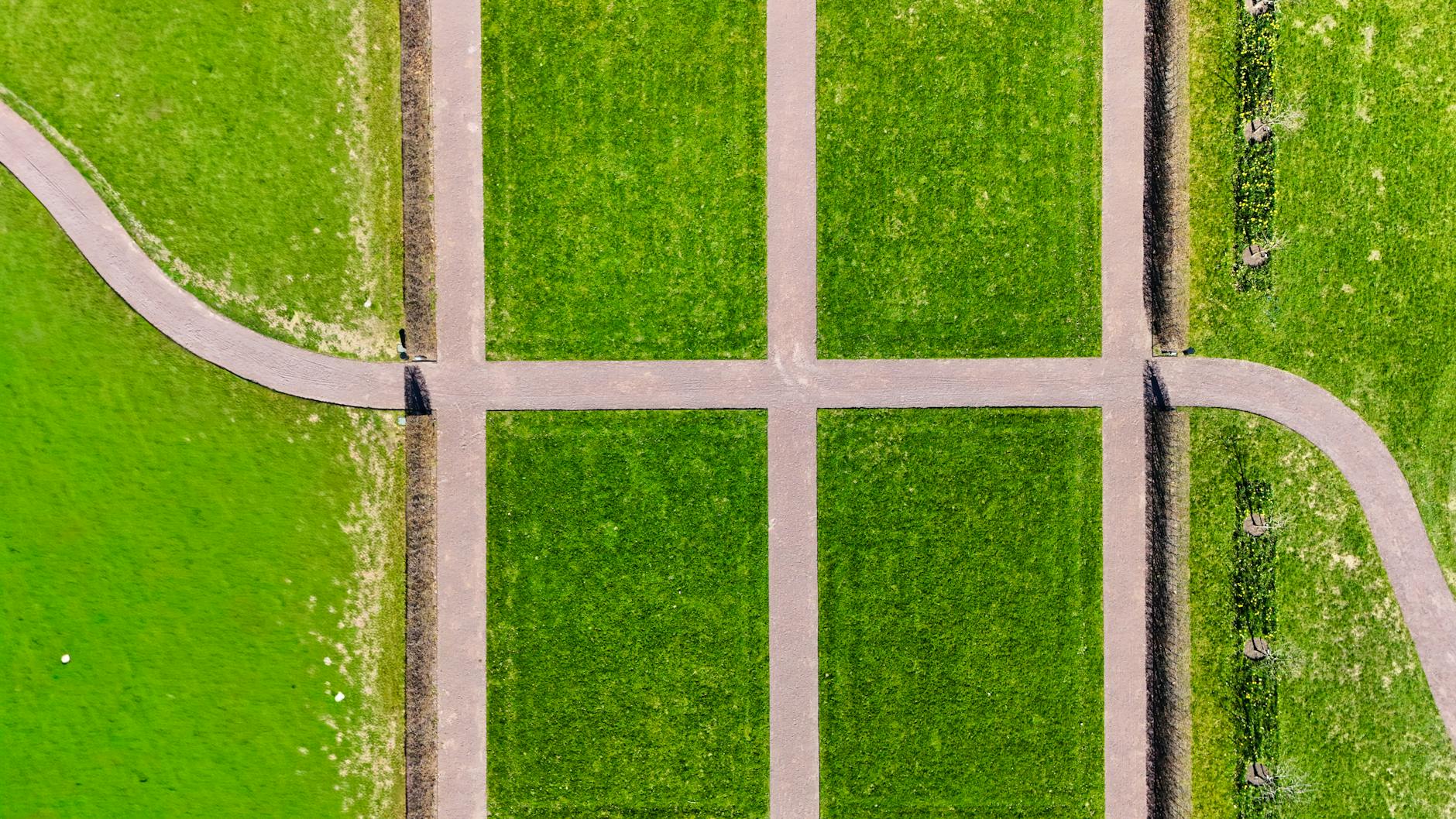
Before a single brick was laid, somebody had to decide where the city would go, and that decision is still the most important piece of design in South Australia. In 1837, Colonel William Light surveyed the plan for Adelaide: a one-square-mile grid of wide streets and five public squares, separated from a second grid in North Adelaide by the curve of the River Torrens, and the whole thing ringed by a continuous belt of Park Lands. It was radical for its time, and it’s the reason the centre still breathes the way it does.
Light copped serious criticism for the site in his own lifetime, but his “vision” was vindicated, and the Adelaide Park Lands and city layout have since been formally recognised on Australia’s National Heritage List and put forward for UNESCO World Heritage consideration. When you walk the grid and notice you’re never more than a short stroll from green space, that’s not luck. That’s the plan. For how the colony grew up around it, our history of Adelaide fills in the people and the decades behind the survey pegs.
One thing worth saying before we start walking: all of this sits on Kaurna land, and the grid was imposed on Country that had been lived on and cared for for tens of thousands of years. The architecture below is the colonial layer; it isn’t the beginning of the story, and our piece on Aboriginal culture in Adelaide is the place to start with the much older one.
Colonial Adelaide: limestone, bluestone and the City of Churches
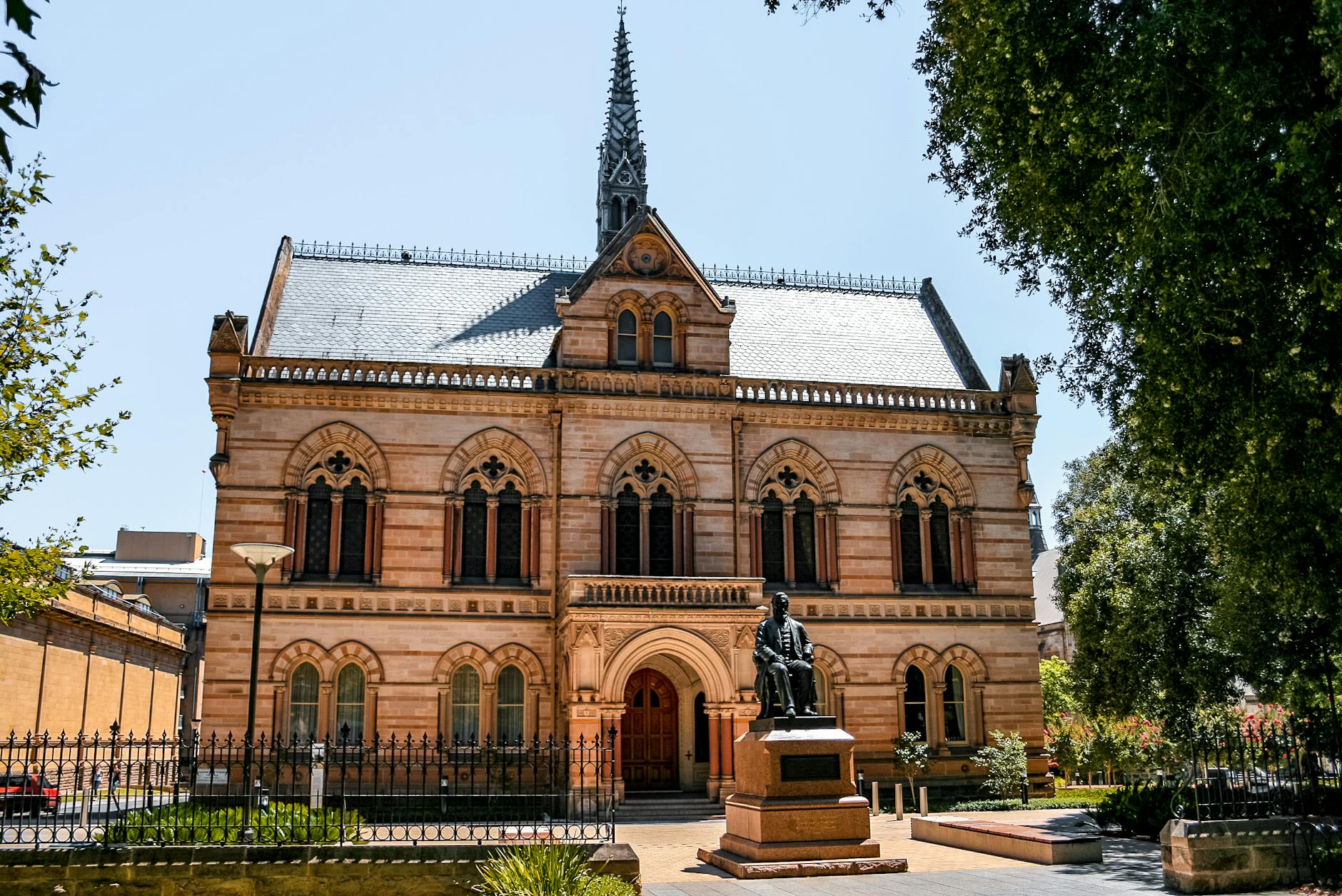
Start with the earliest layer, the 1830s to the 1850s, and you start with stone. The first European builders here didn’t have brick kilns or imported materials to lean on, so they built from what the ground gave them: local limestone, dark bluestone and warm sandstone. That palette is the visual signature of old Adelaide, and once you’ve noticed it you’ll see it everywhere, the rough rubble walls, the dressed sandstone quoins around the windows, the slate roofs.
The style is restrained European classical, sober and symmetrical, with none of the showing-off that came later. It suited a colony that liked to think of itself as respectable and free, settled by people of faith and ambition rather than convicts. Which brings us to the nickname.
Why all the churches?
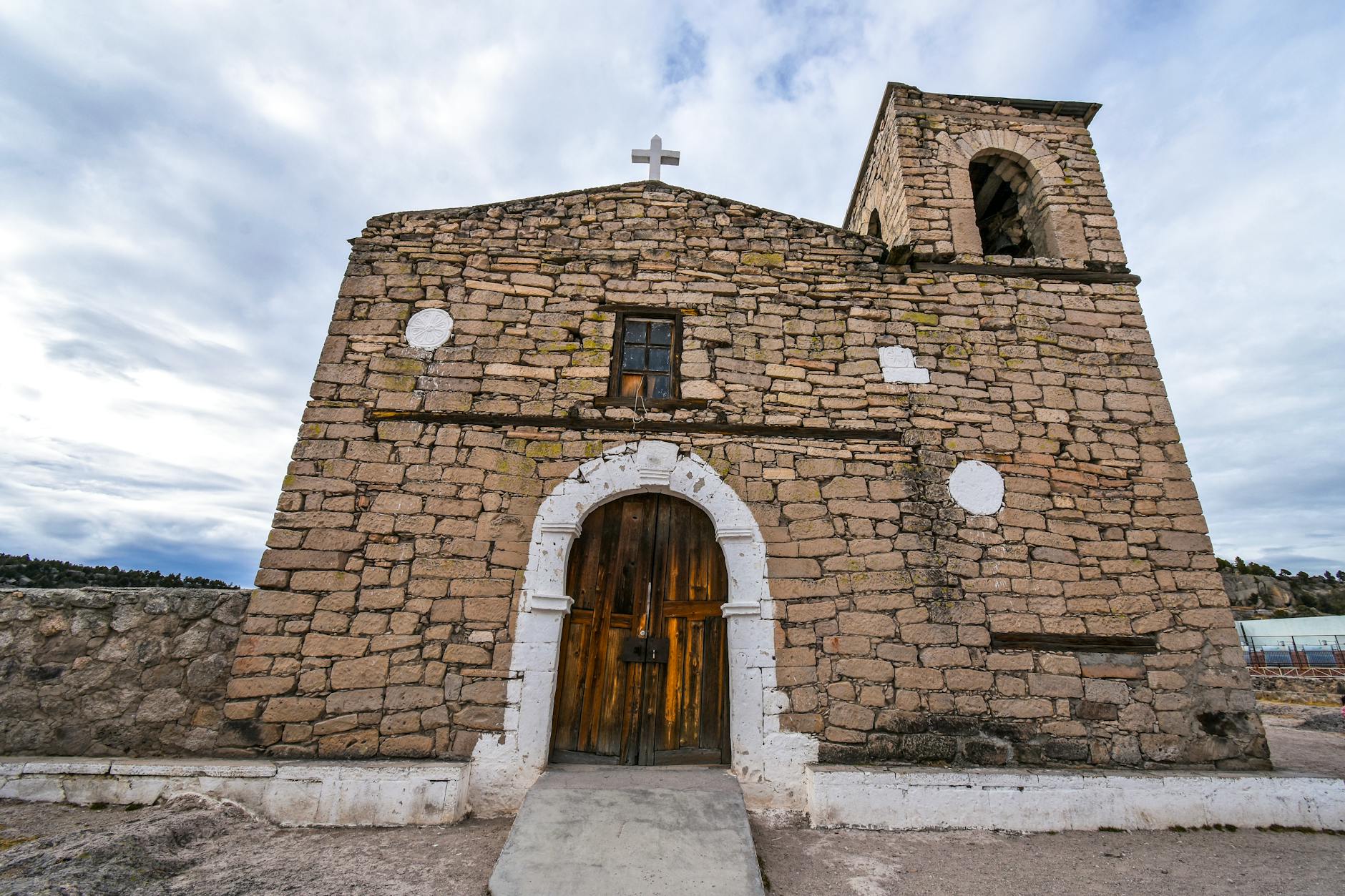
Adelaide earned the tag “City of Churches” in the nineteenth century because of the sheer number and prominence of houses of worship built across the grid, a reflection of the colony’s founding ideal of religious freedom and the many denominations that took root here early. The oldest is Holy Trinity Church on North Terrace, which dates to 1838, just two years after the colony was proclaimed. Stand in front of it and you’re looking at one of the very first permanent buildings Europeans put up in South Australia.
The churches give the skyline its old rhythm, spires and bell towers punctuating the low Victorian streetscape, and they’re a good orientation tool on a walk: aim for a steeple and you’ll usually find something historic at its feet.
Old Parliament House and early government
Government needed buildings too, and the colony’s early seat of power, Old Parliament House on North Terrace, was constructed in stages between 1843 and 1875 as the young legislature grew into itself. It’s a tidy example of that colonial-classical restraint, and standing beside its grander neighbour, the later marble Parliament House, it quietly shows you how much the place changed once the money arrived.
The Victorian boom: when Adelaide built to impress
Here’s where the city stops being modest. From the 1870s into the 1880s, wealth from copper mining and an agricultural surge poured into South Australia, and Adelaide spent it on architecture. This is the era that gave the city most of its showpieces, and it’s the heart of any heritage walk.
Adelaide Town Hall
Begin with the Adelaide Town Hall on King William Street, completed in 1866 and, in its day, talked up as the finest municipal building in the southern hemisphere. It’s a confident, Italian-inspired pile with a clock tower that anchors the main drag, and it set the tone for the decade of grand civic building that followed. The fact that it predates the real boom only makes it more impressive; the city was already aiming high.
The Mortlock Wing: one of the world’s most beautiful libraries
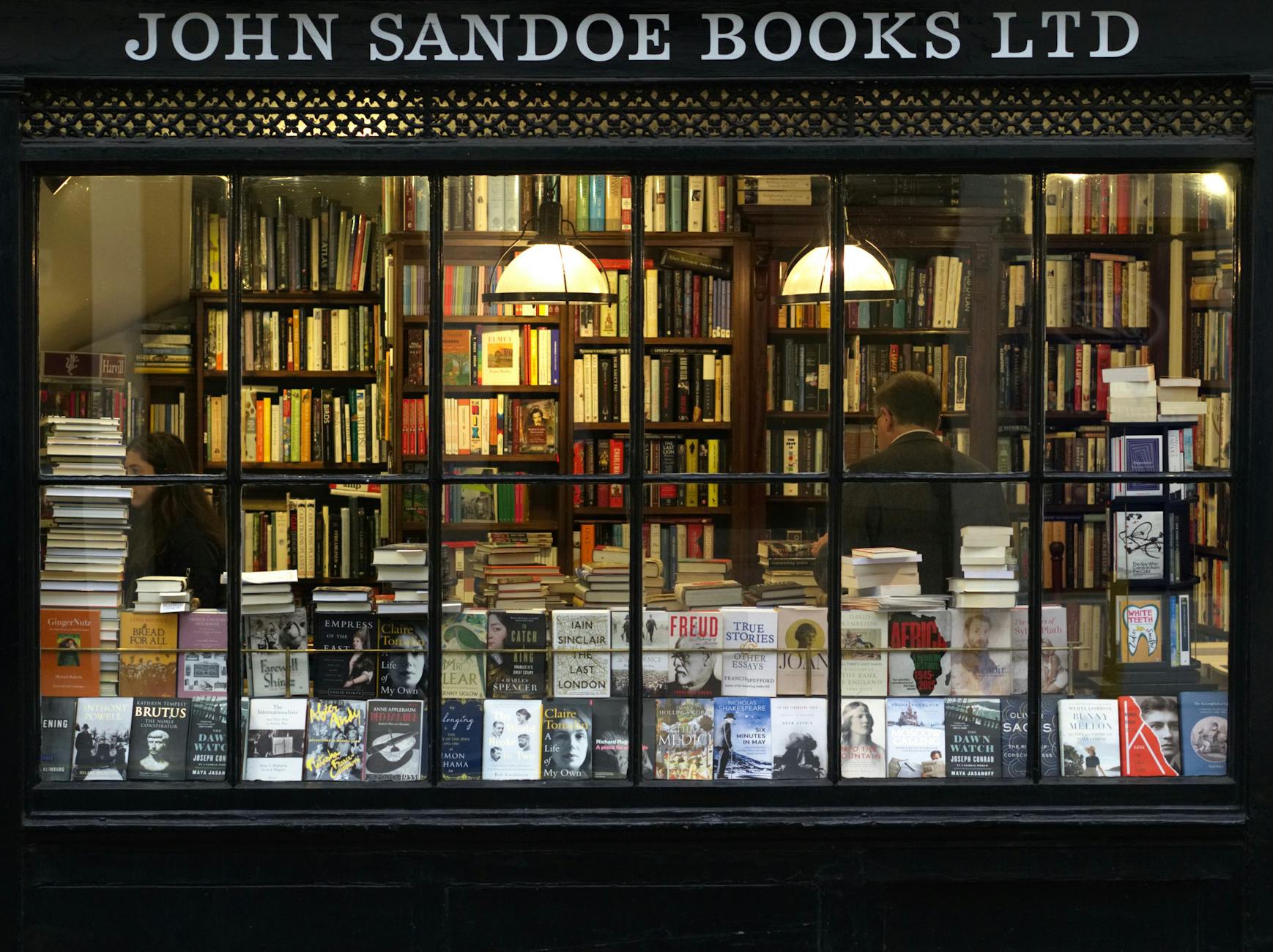
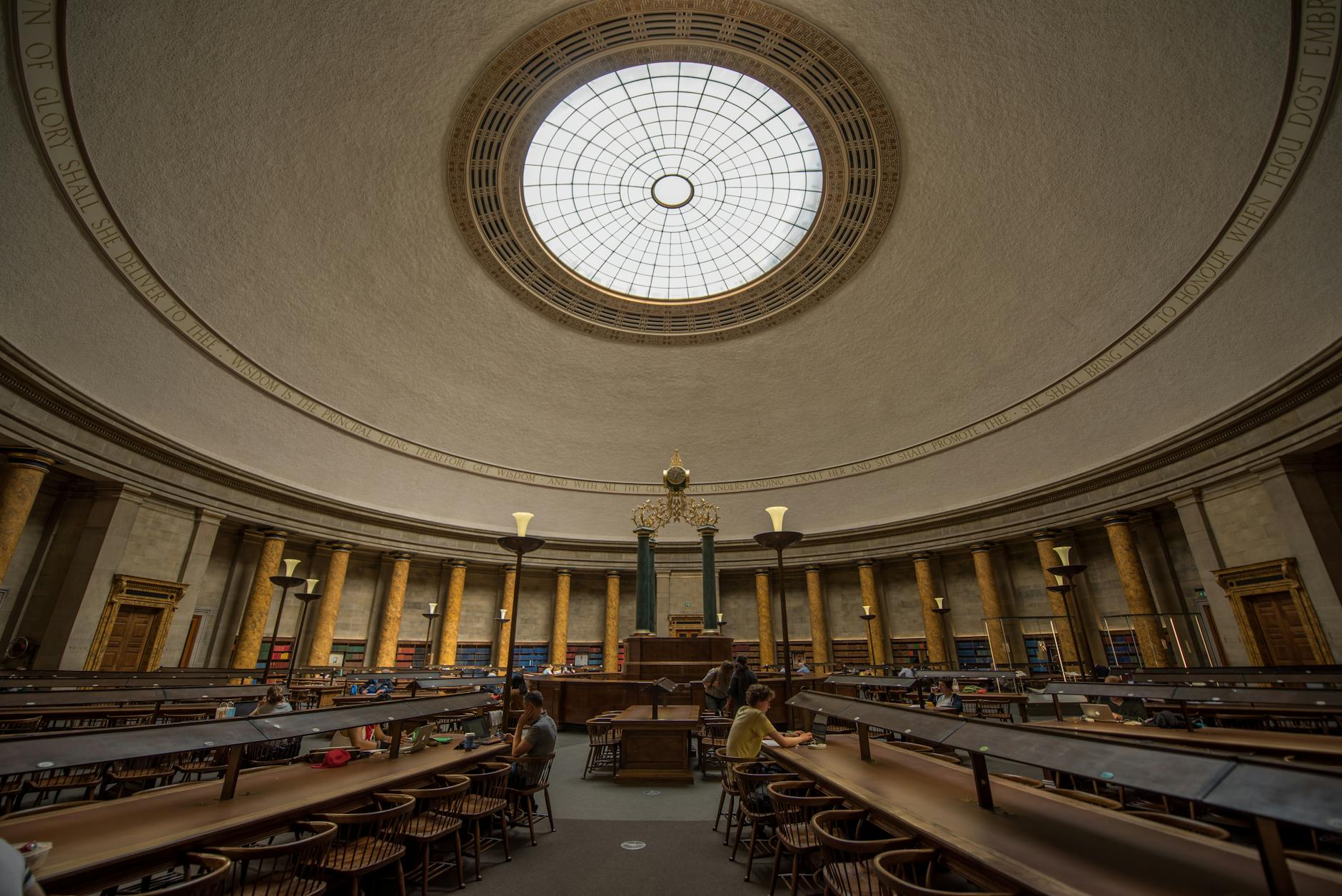
If I could only show you one interior in Adelaide, it would be this. The Mortlock Wing of the State Library of South Australia, on North Terrace, opened in 1884 to a design by E. J. Woods, all French Renaissance and Palladian flourishes on the outside and a reading room inside that genuinely stops people in their tracks. Two tiers of timber galleries, a glass dome flooding the space with light, spiral staircases, the works. It turns up on those “most beautiful libraries in the world” lists for good reason, and the best part is that it’s free to walk into. Do not skip it. Book lovers will want to linger, and our guide to Adelaide’s literary scene explains why this UNESCO City of Literature treats the building as a shrine.
The State Library is one of several free institutions strung along this boulevard, and you could easily fold an architecture walk into a wider cultural day. Our guide to North Terrace, Adelaide’s cultural boulevard maps the whole strip, and if you’re a museum person, the rundown of Adelaide’s museums and galleries covers what’s behind those grand facades.
Ayers House and the houses of the wealthy
Just along North Terrace sits Ayers House, a Colonial Regency and Victorian mansion developed from the 1850s onward into the grand home of Sir Henry Ayers, a long-serving premier. It’s one of the best surviving examples of how the colony’s elite lived, and the bluestone and rendered detailing show you the domestic side of all that boom-era confidence. It works beautifully as a counterpoint to the public buildings; the same money, turned inward.
The Adelaide Arcade and the art of shopping
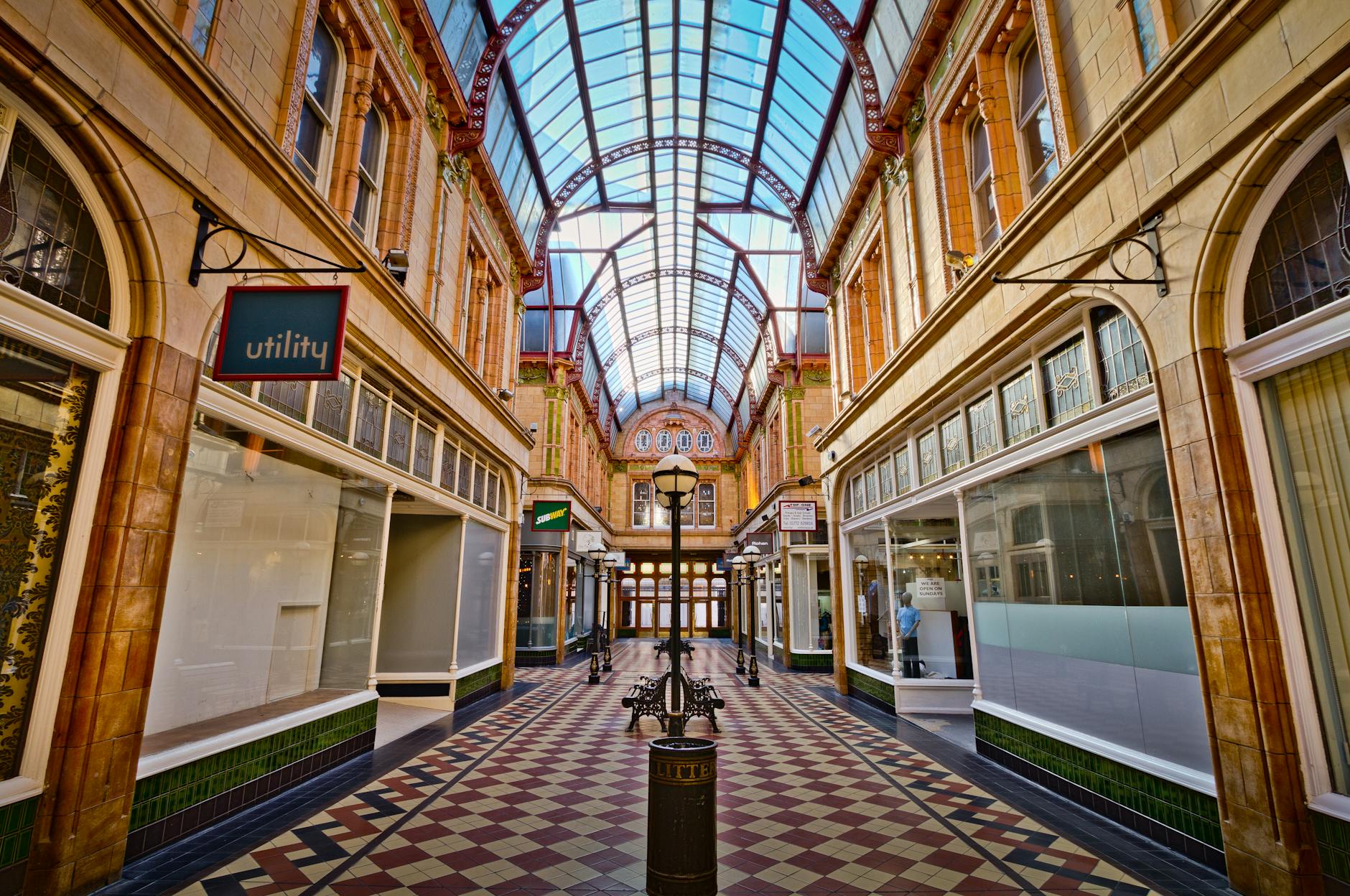
For something more fun, duck into the Adelaide Arcade, which opened in 1885 as a glamorous Victorian shopping arcade running between Rundle Mall and Grenfell Street. It was one of the first public buildings in Australia lit by electric light, and the interior is a treat: tessellated tiled floors, wrought-iron balustrades, a glazed roof and a clock at each end. Wander through slowly. The shops change with the decades but the bones are pure 1880s, and it’s a lovely cool escape on a hot day. While you’re in the neighbourhood of grand Victorian sheds, the cast-iron and produce halls of the Adelaide Central Market, trading since 1869, are another working piece of nineteenth-century design just a few blocks south.
The GPO and Parliament House
Back out on the corner of King William and Franklin Streets, the General Post Office (the GPO) is another Victorian heavyweight, its Victoria Tower a deliberate civic flex when it went up. And then there’s Parliament House on North Terrace, the grand one in marble, which was built across a remarkably long span and only finally completed in 1939, its west wing finished decades after the east. Standing between Parliament House and Old Parliament House next door, you can read the whole arc of the colony’s ambition in two buildings.
Edwardian and Federation: the turn of the century
As the colony tipped into nationhood, the architecture softened and warmed. The Edwardian and Federation styles of the early 1900s brought red brick, terracotta roof tiles, decorative timber verandahs and gentler detailing, and you’ll spot them most easily in the older inner suburbs and in commercial buildings around the city fringe. It’s a quieter chapter than the Victorian fireworks, but it’s the layer that gives Adelaide’s leafy near-city streets so much of their character. Keep an eye out for the bullnose verandahs and the cast-iron lacework as you walk between the grand set-pieces; that’s Federation Adelaide hiding in plain sight.
Mid-century modern: Adelaide’s overlooked modernist streak
People rarely associate Adelaide with modernism, which is exactly why I like pointing it out. Through the 1950s and 60s the city built a genuine collection of mid-century modern buildings, clean-lined public buildings, churches, university blocks and a surprising number of striking domestic houses in the hills and inner suburbs. There are dedicated walking tours and heritage interest in this period now, as people have come around to its value, and it’s a rewarding lens once you start looking for it: the flat planes, the breeze-block screens, the optimistic geometry of post-war Australia.
It’s the kind of thing that doesn’t make the standard postcard but rewards the curious walker, much like the rest of our Adelaide hidden gems, the corners of the city you only find if someone tips you off.
Contemporary Adelaide: glass, steel and the Riverbank
The newest layer is the most surprising, because for a long time Adelaide had a reputation for being too cautious to build anything bold. That’s changed, and the Riverbank precinct between the city and North Adelaide is where you see it.
Adelaide Oval and the SAHMRI “cheese grater”
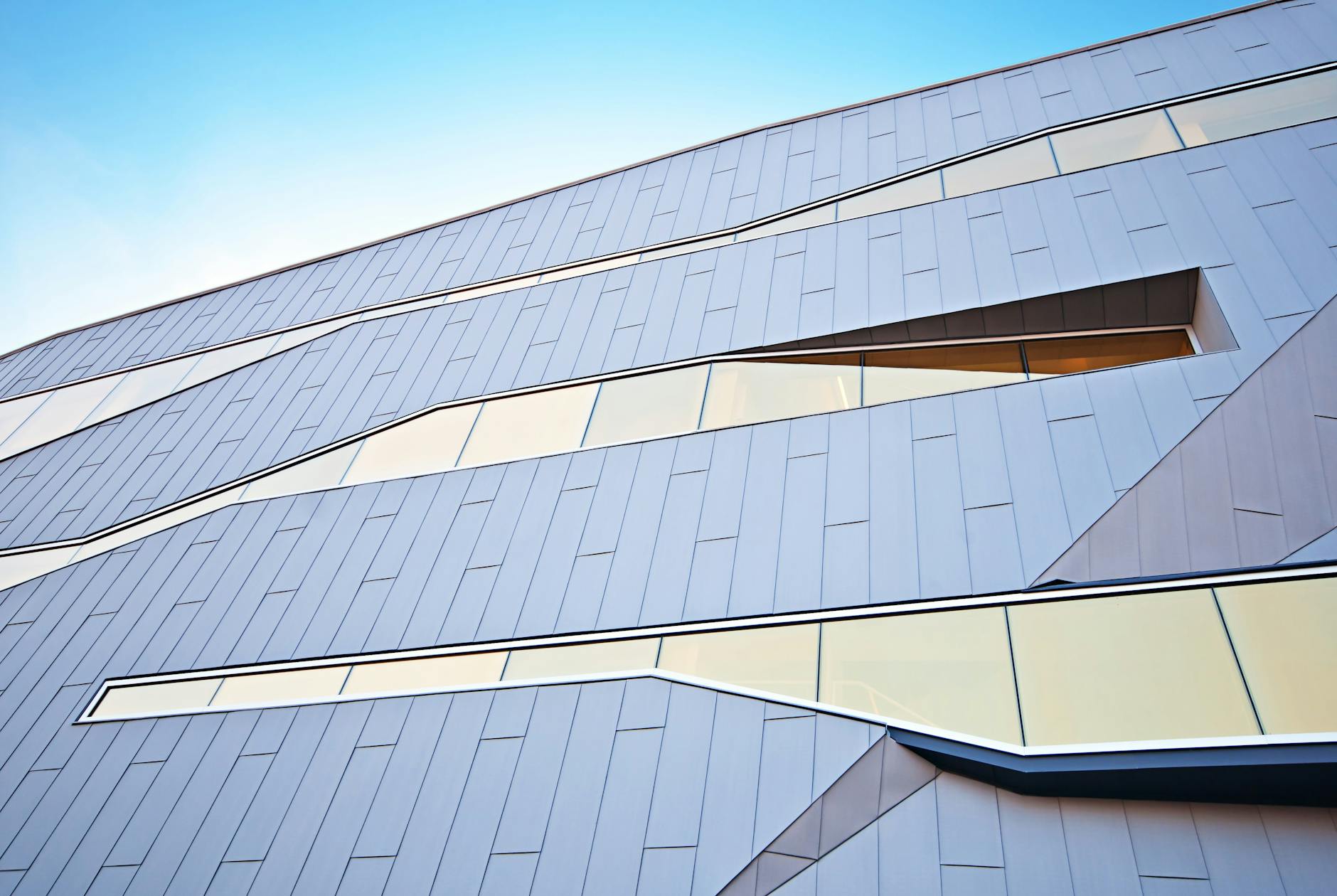
The redevelopment of Adelaide Oval transformed a beloved old cricket ground into a sweeping modern stadium while keeping its heritage scoreboard and the famous hill, a genuinely clever bit of old-meets-new design, and the footbridge across the Torrens now links it straight to the city. Just across the river stands the building everyone has an opinion about: the South Australian Health and Medical Research Institute, universally known as the “cheese grater” for its angular, perforated metal skin. Love it or hate it, the SAHMRI signalled that Adelaide was finally willing to put a piece of confident contemporary architecture in its most prominent shop window.
Festival Plaza, the convention centre and Lot Fourteen
From there the modern city keeps unfolding. Festival Plaza has been reworked with a new tower and public space beside the Adelaide Festival Centre, the home of much of the city’s Adelaide Festival arts programme; the Adelaide Convention Centre has expanded along the riverbank in glassy, sculptural form; and Lot Fourteen, the innovation precinct on the old Royal Adelaide Hospital site at the East End of North Terrace, is stitching new build into retained heritage buildings. It’s a good note to end the contemporary chapter on, because it’s literally the past and future of Adelaide architecture sharing a block.
Heritage trails and how to dig deeper
If you catch the bug and want more than my walk, Adelaide has proper resources for it. The Edmund Wright Trail and other self-guided heritage walks lead you between significant buildings with the stories attached, and the City of Adelaide’s Adelaidia history platform is a genuinely good free resource for the background on individual sites. The State Heritage Register lists hundreds of protected buildings across the city if you want to go truly deep. While you’re scanning the walls for old facades, look down the laneways too, the city’s street-art trail uses the same heritage brickwork as a canvas, and it’s a fun modern counterpoint to all the sandstone.
It’s also worth remembering that some of South Australia’s richest heritage architecture isn’t in the city at all. Down at the coast, our guide to Port Adelaide’s heritage precinct covers the largest collection of colonial-era buildings in the state, the old wool stores, bond stores and wharves of a working port. If you’ve got a day spare, it’s the perfect companion to a city architecture walk.
A self-guided architecture walk you can actually do
Here’s the route I’d hand you, and it’s an easy half-day on flat ground. Begin at the western end of North Terrace and walk east, the whole boulevard is essentially an open-air timeline. Start at Parliament House and Old Parliament House side by side, cross to Holy Trinity for the colonial origin story, then work along past the State Library and into the Mortlock Wing (give it twenty minutes, you’ll want them). Ayers House is a short stroll on, and you’ll pass the grand university and museum facades as you go.
From the East End, drop down through Rundle Mall and cut through the Adelaide Arcade to see the Victorian retail world, then carry on to King William Street for the Town Hall and the GPO. Finish at the Riverbank: walk up to Festival Plaza, cross the footbridge past Adelaide Oval, and take in the SAHMRI cheese grater from the river’s edge. That single loop takes you from 1838 to the present day. If you’d rather weave it into a broader itinerary, our roundup of the best things to do in Adelaide slots the walk in among the markets, galleries and beaches.
Practical info: timing, costs and getting around
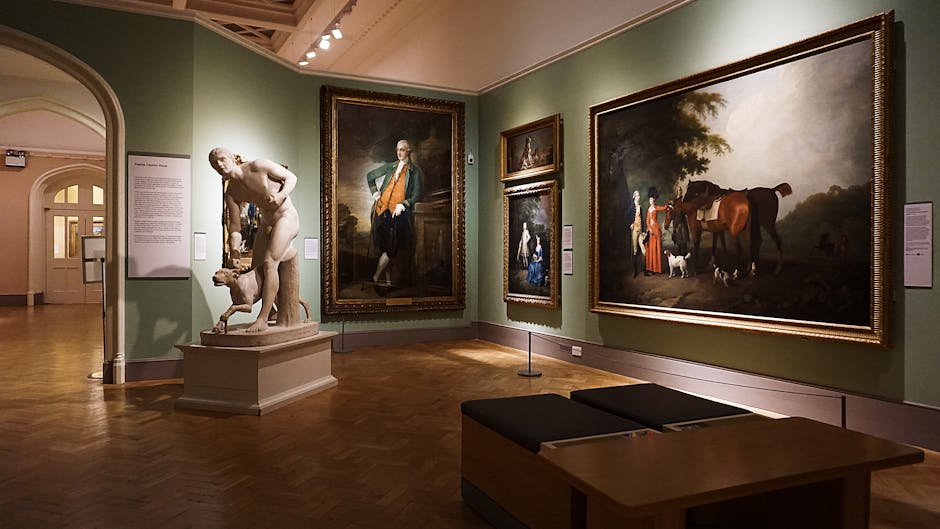
The good news for any architecture lover is how much of this is free. Walking the grid costs nothing, and the headline interiors, the Mortlock Wing reading room, the Art Gallery and museums along North Terrace, are all free to enter, which makes a building walk one of the best-value days in the city. For more in that vein, our list of free things to do in Adelaide is worth a look. The art lovers among you should also factor in the Art Gallery of South Australia, housed in one of North Terrace’s finest heritage buildings and free every day.
Getting around couldn’t be simpler. The free city tram runs the length of the central grid and the free 98 and 99 loop buses circle the CBD and North Adelaide roughly every half hour, so you can rest your feet between landmarks at no cost. Time your walk for a weekday morning if you can, when the buildings are open and the streets are quieter, and remember that opening hours for libraries, Parliament tours and museums change, so check current times before you set out; the named places here are illustrative of what’s on offer at the time of writing rather than a fixed timetable. Adelaide’s light is famously clear and dry, which is a gift if you’re photographing sandstone; morning and late afternoon make the stone glow, and the cooler shoulder months are the most comfortable time to walk all day, as our guide to the best time to visit Adelaide explains. For everything else you’ll want for a city visit, our broader Adelaide travel guide ties the practical threads together.
Frequently asked questions
Why is Adelaide called the City of Churches?
Adelaide earned the nickname in the nineteenth century because of the large number and prominence of churches built across the city, a reflection of the colony’s founding ideal of religious freedom and the many denominations that settled here early. The oldest is Holy Trinity Church on North Terrace, which dates to 1838. The spires still give the old streetscape much of its character, even though it’s no longer an especially churchgoing city.
What are Adelaide’s most famous buildings?
The standouts include the Mortlock Wing of the State Library (1884), often listed among the world’s most beautiful libraries; the Adelaide Town Hall (1866); Parliament House in marble, completed in 1939, beside the colonial Old Parliament House; Ayers House and Holy Trinity Church on North Terrace; and the 1885 Adelaide Arcade. On the contemporary side, the SAHMRI ‘cheese grater’ and the redeveloped Adelaide Oval define the modern Riverbank.
Who designed Adelaide?
The city plan was surveyed by Colonel William Light in 1837. His design, a one-square-mile grid wrapped in continuous Park Lands and divided from North Adelaide by the River Torrens, is Adelaide’s defining piece of design and is now on the National Heritage List and put forward for UNESCO World Heritage consideration. Individual landmark buildings had their own architects, such as E. J. Woods, who designed the State Library’s Mortlock Wing.
What stone are Adelaide’s old buildings made of?
Colonial Adelaide was built largely from local materials: limestone, dark bluestone and warm sandstone, often combined, with dressed stone or rendered detailing around windows and corners. That palette gives the early city its distinctive sober, classical look, and it’s the easiest way to date a building by eye as you walk the grid.
Can you do a self-guided architecture walk in Adelaide?
Yes, and it’s one of the best free things to do in the city. North Terrace is essentially an open-air architectural timeline, and the central grid is flat and compact. Self-guided heritage trails such as the Edmund Wright Trail, and the City of Adelaide’s Adelaidia platform, give you the stories behind individual buildings. Most of the headline interiors, including the Mortlock Wing, are free to enter.
What is the SAHMRI ‘cheese grater’ building?
It’s the South Australian Health and Medical Research Institute on the Riverbank, nicknamed the ‘cheese grater’ for its angular, perforated metal facade. Completed in the 2010s, it became a symbol of Adelaide’s willingness to build confident contemporary architecture in a prominent spot, sitting opposite the redeveloped Adelaide Oval across the River Torrens.