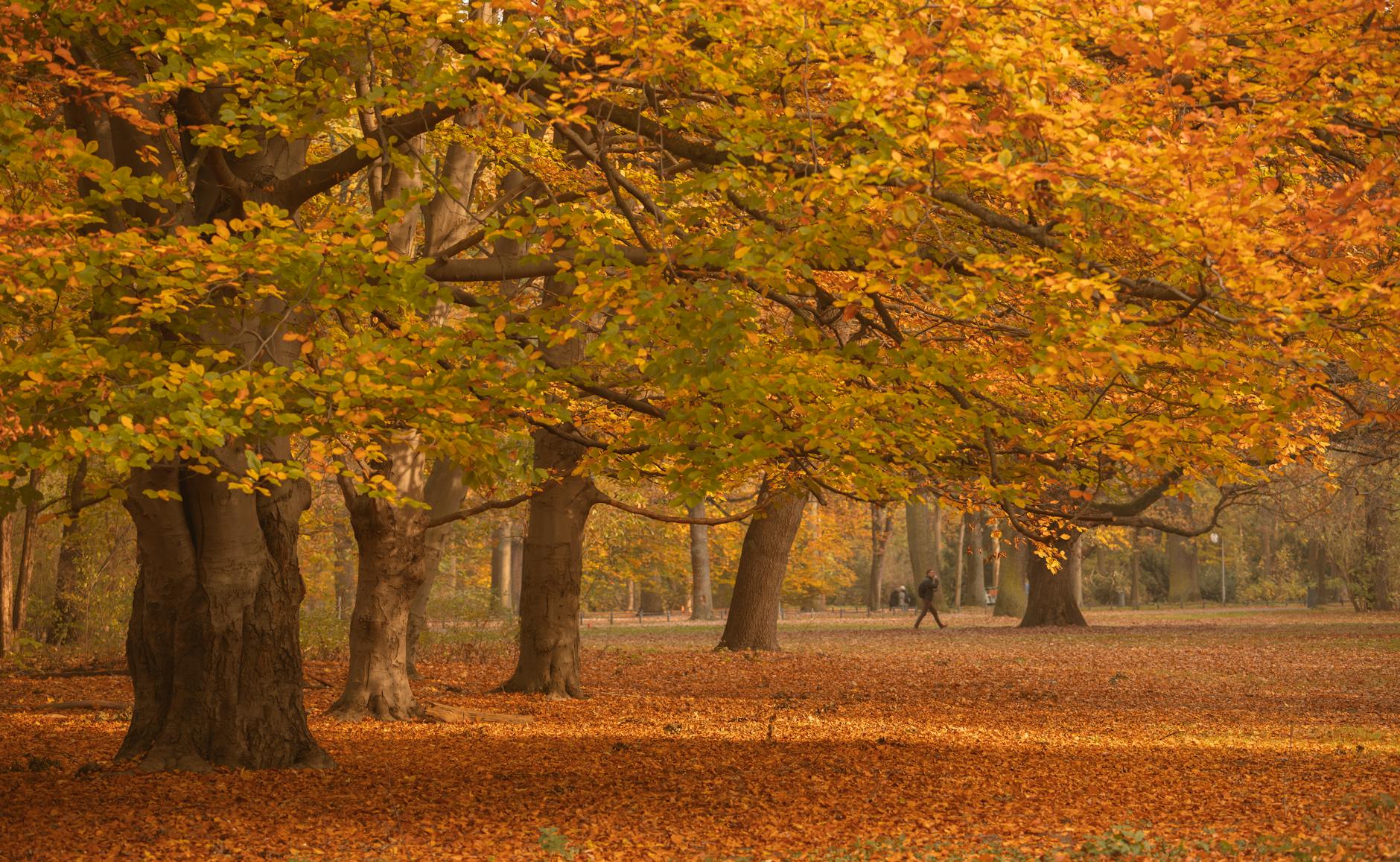
Ask me when to visit and I’ll usually answer with a question of my own: how do you feel about crowds? Because Adelaide in autumn hands you two very different cities depending on the month. March is chaos in the best sense, the festival fever the locals call Mad March, while April and May settle into the mild, golden, gloriously uncrowded weeks that I quietly think are the city at its finest. The air loses summer’s bite, the Hills turn red and gold, and you can sit outside for dinner without melting or shivering. For the full overview before you commit, start with our complete Adelaide travel guide, then come back here for the season-by-season detail.
I’ve lived through more Adelaide autumns than I’ll admit to, and I’ve learned the season rewards a bit of planning. Come in March for the buzz and book early; come in April or May for the value and the calm. Here’s exactly how I’d play it, month by month.

Adelaide autumn weather: mild days, cool evenings, barely any rain
Let’s talk climate first, because it’s the quiet selling point. Autumn here runs March to May, and the numbers tell the story: average temperatures sit somewhere around 13 to 23 degrees, with March still carrying the tail of summer’s warmth and May easing towards the cooler end. Crucially, the rain stays away for most of it. Adelaide is the driest of the mainland capitals to begin with, and autumn keeps that low-humidity, blue-sky character right through March and April before the first proper wet weeks creep in around late May.
What that means in practice is the most comfortable outdoor weather of the year. Daytimes are warm enough for shirtsleeves and a long lunch in a courtyard, but without the 38-degree spikes that can flatten a summer afternoon. The evenings are where autumn shows its hand: once the sun drops you’ll want a light jacket or a jumper, especially up in the Hills where it gets noticeably cooler than the plains. Pack layers and you’re sorted; if you want the full checklist, our Adelaide packing list breaks down exactly what to bring for shoulder-season conditions.
One thing people get wrong: the autumn sun is gentler than summer’s, but the UV can still be high on a clear day, so the sunscreen doesn’t go back in the cupboard yet. And the colour, oh, the colour. Adelaide’s streets are lined with European deciduous trees, a legacy of the early planners, so the parklands ringing the city and the avenues of North Adelaide turn through orange and gold from late April. Head into the Hills and it’s a proper autumn palette, the kind of thing you don’t expect from an Australian capital.
Is autumn the best time to visit Adelaide?
I’ll put my cards on the table: weather-wise, autumn and spring are the two times of year I’d steer most first-timers towards. Summer can be brutally hot and winter is genuinely wet and cool, so the shoulder seasons give you the sweet spot of comfortable days and manageable evenings. If you want the full comparison across all four seasons, our guide to the best time to visit Adelaide lays out the trade-offs, and you can see how the season stacks up against the alternatives in our deep dives on Adelaide in summer and Adelaide in winter.
But “best” depends on what you’re after. If festivals and electric energy are the point of the trip, March is unbeatable and worth the crowds and the prices. If you’d rather have the city and the wine regions to yourself with weather that’s still lovely, April and May are the smart pick, and noticeably cheaper. The beauty of autumn is that it offers both versions, so you get to choose.

Mad March: Adelaide’s festival season explained
If you’ve heard one thing about Adelaide, it’s probably Mad March. For a few weeks the otherwise easygoing City of Churches transforms into one of the great festival cities on earth, and several major events stack on top of each other at once. It is, genuinely, a spectacle, and it’s the reason a lot of visitors time their trip for the very start of autumn.
The Adelaide Fringe
The headline act is the Adelaide Fringe, the second-largest fringe festival in the world after Edinburgh, running roughly from mid-February to mid-March. Thousands of shows, comedy, cabaret, circus, theatre, music, spill across hundreds of venues, from grand theatres to tiny back rooms and purpose-built pop-up hubs. The two big open-air precincts, the Garden of Unearthly Delights in the East End parklands and the various Fringe hubs around town, become buzzing late-night villages of fairy lights, food trucks, bars and Spiegeltents. I’ll happily lose a whole evening just wandering the Garden with a drink, deciding which show to chance. For the practical rundown of how to navigate it, our Adelaide Fringe guide covers tickets, venues and the shows worth queuing for.
The Adelaide Festival
Overlapping the first couple of weeks of March is the Adelaide Festival, the curated, higher-brow sibling to the open-access Fringe. This is the one for ambitious theatre, contemporary dance, classical and new music, opera, visual art and the much-loved Adelaide Writers’ Week, which runs as free outdoor sessions in the Pioneer Women’s Memorial Garden. The two festivals couldn’t feel more different in tone, and running together they give the city an extraordinary cultural density for a fortnight. Our guide to the Adelaide Festival walks through the programme and how to build a few days around it.
WOMADelaide
Then there’s WOMADelaide, the world-music and arts festival held over the Adelaide Cup long weekend in Botanic Park. Picture four days of music from every corner of the globe across multiple stages under the Moreton Bay figs, with food stalls, workshops and a relaxed, family-friendly, picnic-blanket vibe by day that turns properly euphoric after dark. It’s one of my favourite events of the entire year, and it sells out, so plan ahead. We’ve got the full lowdown in our WOMADelaide guide.
The Adelaide Cup long weekend
Anchoring all of this is the Adelaide Cup public holiday on the second Monday in March, a horse-racing carnival that gives the whole city a long weekend right at the festival peak. Morphettville Racecourse gets the frocks-and-fascinators treatment, but for most locals the Cup mainly means an extra day to keep the party going. It’s the high-water mark of Mad March.

The practical flip side of Mad March
Now the honest part. Mad March is glorious, but it comes at a cost. Accommodation books out weeks, sometimes months, in advance, and room rates climb to their annual peak, easily double the quiet-season prices. The city is genuinely packed, restaurants need booking, and the late-night energy means the East End in particular doesn’t really sleep. None of this is a reason to stay away, it’s part of the fun, but go in with eyes open: book your bed early, lock in any must-see shows before they sell out, and accept that you’re paying a premium for the best few weeks in the city’s calendar. If your budget is tight, that’s an argument for visiting later in autumn instead.
April in Adelaide: harvest, calm, and the smart traveller’s month
Once the festival circus packs up around mid-March, something lovely happens. The crowds thin out, the prices fall back to earth, and the weather is still genuinely warm and settled. April might be the most underrated month to visit Adelaide, and the wine regions are the reason.
April is harvest, or vintage as the winemakers call it. Drive out to McLaren Vale or the Barossa and the vineyards are a hive of activity, nets over the rows, tractors hauling fruit, the air around the wineries heavy with the smell of fermenting grapes. The cellar doors are buzzing with new-vintage energy, the roadside stalls are piled with autumn produce, and the light through the turning vines is something else. A self-drive wine day in April is about as good as a South Australian day trip gets. Our guides to a McLaren Vale day trip and a Barossa Valley day trip map out the cellar doors and lunch spots I’d actually point you to.
May in Adelaide: festivals of food and history, and excellent value
By May the season has cooled and quietened, and the value is the best of the year. It’s also a sneaky-good month for events. Tasting Australia, the state’s flagship food-and-wine festival, lands in late April into May, turning Victoria Square into Town Square, a hub of long-table dinners, masterclasses, and the best of South Australian produce and drops. If you’re even slightly food-minded, it’s worth timing a trip around, and our Tasting Australia guide has the details.
May is also the South Australian History Festival, a month-long programme of open days, tours and talks that throws open buildings and stories you’d never normally get to see, much of it free. And in alternate years the DreamBIG Children’s Festival fills the Festival Centre with theatre and creative events made for kids, a brilliant excuse if you’re travelling with little ones. Cooler, quieter, cheaper, and still plenty on: May is the quiet achiever of Adelaide autumn.

The best things to do in Adelaide in autumn
Beyond the festival calendar, autumn unlocks the kind of Adelaide days that the summer heat and winter wet make harder. Here’s where I’d spend the season.
Chase the autumn colour in the Adelaide Hills
This is the big one. From late April the Adelaide Hills put on a colour show that genuinely surprises people. Drive up to the German-founded village of Hahndorf for the main street’s deciduous avenue, mulled wine starting to appear, and a long pub lunch, our Hahndorf day trip guide sorts the tourist-trap stalls from the good stuff. Then wind over to the Mount Lofty Botanic Garden, which is laid out specifically to glow in autumn, all the exotics chosen for their seasonal colour, and the lookout-village of Stirling, whose famous street trees turn the whole town gold. A loop through the Hills on a clear autumn day is one of my favourite things to do all year.
Walk while the weather’s perfect
Summer makes the steeper trails punishing and winter makes them muddy, so autumn is prime walking season. The Waterfall Gully to Mount Lofty Summit climb, 7.8 kilometres return, is the classic, and the cool, clear air makes the haul up far more pleasant than in January. Morialta Conservation Park, with its waterfalls and clifftop tracks, is just as good and a little quieter. Take water, take a layer for the top, and enjoy moving without sweating through your shirt.
Eat outdoors before winter closes in
Autumn is the last comfortable stretch for the outdoor dining and grazing that Adelaide does so well. The Adelaide Central Market, trading since 1869 and home to more than 70 stalls, is heaving with autumn produce, the season’s mushrooms, apples and pears, the new-vintage wines, and it’s the perfect spot to assemble a picnic for the parklands while the lawns are still warm enough to sit on. Grab a wood-oven lunch in a laneway, a wine in a courtyard bar, a long market graze; do the al fresco things now, because by June you’ll want to be indoors.
A perfect autumn day in Adelaide
Let me make it concrete with a day I’d happily hand any visitor in April or early May. Start with a slow coffee and a wander through the Adelaide Botanic Garden while the morning is cool and the light is soft. Walk over to the Central Market for an early lunch, picking up some produce and a bottle for later. In the afternoon, point the car at the Hills, an hour gets you the autumn colour at Stirling and the Mount Lofty Botanic Garden, or twenty minutes more and you’re at a McLaren Vale cellar door in full harvest swing. Wind back down as the light goes golden, then dinner outdoors in the East End or on a rooftop, jacket within reach for when the evening cools. If it’s March, swap the afternoon drive for a few Fringe shows and a late night in the Garden of Unearthly Delights. Either way, it’s a day that only really works this well in autumn.
Getting around and practical autumn tips
A few logistics to make it smooth. The free city loop buses (routes 98 and 99) and the free CBD tram zone make the central grid easy and cost nothing, the same as any season. For the autumn highlights, though, a few are easier with wheels: the Hills colour drives and the wine regions really want a car, so if that’s your plan, factor it in. The festivals are mostly walkable from the CBD, and during Mad March the city stays busy and well-lit late into the night.
My biggest practical steer is about timing and money. If you’re coming for Mad March, book accommodation as far ahead as you possibly can and expect peak prices. If you’re flexible, shift to April or May and you’ll pay a fraction for arguably nicer, calmer days. Pack for the swing between warm afternoons and cool evenings, keep the sunscreen handy, and check the festival calendar before you lock in dates so you land on the version of autumn you actually want. For the season either side, our guides to Adelaide in summer and Adelaide in winter will help you decide if a different time suits you better.
Frequently asked questions
What is the weather like in Adelaide in autumn?
Autumn in Adelaide (March to May) is mild and largely dry, with average temperatures around 13 to 23 degrees. March still carries summer’s warmth while May eases cooler, and there’s very little rain until late in the season. Days are comfortable in shirtsleeves but evenings are cool enough for a light jacket, especially up in the Adelaide Hills.
What is Mad March in Adelaide?
Mad March is the nickname for Adelaide’s festival season, when several major events run at once. It centres on the Adelaide Fringe (the world’s second-largest fringe festival, mid-February to mid-March), the Adelaide Festival, WOMADelaide in Botanic Park, and the Adelaide Cup long weekend. The city is packed, the nightlife is electric, and accommodation books out well in advance.
Is autumn a good time to visit Adelaide?
Yes. Weather-wise, autumn and spring are arguably the best times to visit, with comfortable, dry days and cool evenings. March gives you the famous festival energy at peak prices, while April and May offer mild weather, thin crowds, wine-region harvest, and far better value. It comes down to whether you want the buzz or the calm.
What is there to do in Adelaide in April and May?
April is harvest season in the wine regions, so a McLaren Vale or Barossa day trip is at its best, with buzzing new-vintage cellar doors. The Adelaide Hills also turn red and gold for autumn colour drives. May brings Tasting Australia (food and wine), the South Australian History Festival, and the biennial DreamBIG Children’s Festival, all with cooler, quieter, better-value conditions.
Do I need to book accommodation early to visit Adelaide in autumn?
For March, absolutely. Mad March pushes accommodation to its annual peak and beds sell out weeks or months ahead, so book as early as you can. For April and May, there’s far less pressure, with more availability and noticeably lower rates, so you can be more spontaneous.
When does the autumn colour appear in Adelaide?
The deciduous trees in the city parklands, North Adelaide and the Adelaide Hills start turning from around late April through May. For the best display, head to the Adelaide Hills, the Mount Lofty Botanic Garden is planted specifically for autumn colour, and the streets of Stirling and Hahndorf turn a vivid gold.
Leave a Reply