Here’s the first thing I tell visitors who are nervous about driving in South Australia: you’ll be fine, and you’ll see things you’d never reach any other way. We drive on the LEFT, the roads out here are wide and mostly empty once you leave the city, and the rules are sensible if a touch strictly enforced. A hire car turns Adelaide from a compact capital into a launchpad for the Barossa, the Hills, the Fleurieu and, if you’re feeling bold, the Flinders Ranges and the open outback. For the bigger picture of moving around the place, start with our pillar guide on getting around Adelaide, then come back here for everything you need behind the wheel.
I’ve done the dawn run to the Barossa, the white-knuckle first descent down the Hills freeway, and the long flat haul north where the radio drops out and the kangaroos own the dusk. None of it is hard. But South Australia rewards a driver who knows the local quirks, so let me walk you through them the way I would for a mate who’d just landed.
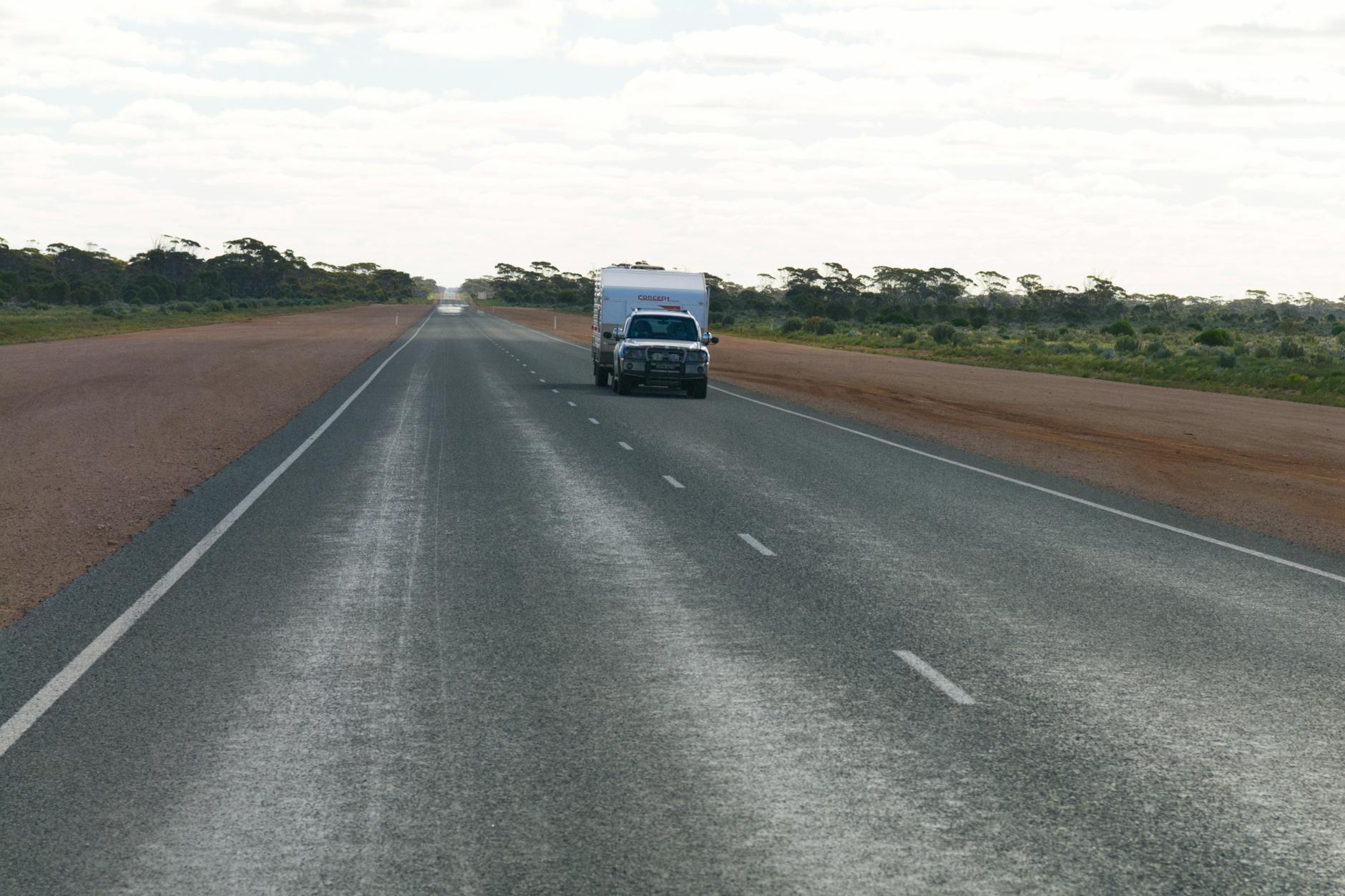
The absolute basics: which side, and the golden rules
We drive on the left. Steering wheel on the right of the car, you overtake on the right, and at every junction your instinct should be to hug the left. If you’re coming from a left-side country like the UK, Japan or New Zealand, you’ll barely notice. If you’re from a right-side country, the two things that trip people up are roundabouts and the simple muscle memory of which lane to drift into when you pull out of a car park. Take it slow for the first hour and it clicks.
Seatbelts are mandatory for every person in the car, front and back, no exceptions, and the driver cops the fine if a passenger isn’t buckled. Children need proper, age-appropriate restraints, and any decent hire company will sort a car seat if you ask when you book. Keep left unless you’re overtaking, especially on the freeways, where sitting in the right lane will earn you flashing headlights and, occasionally, a fine. These aren’t suggestions; they’re the everyday rhythm of the road here.
Speed limits and how seriously they’re taken
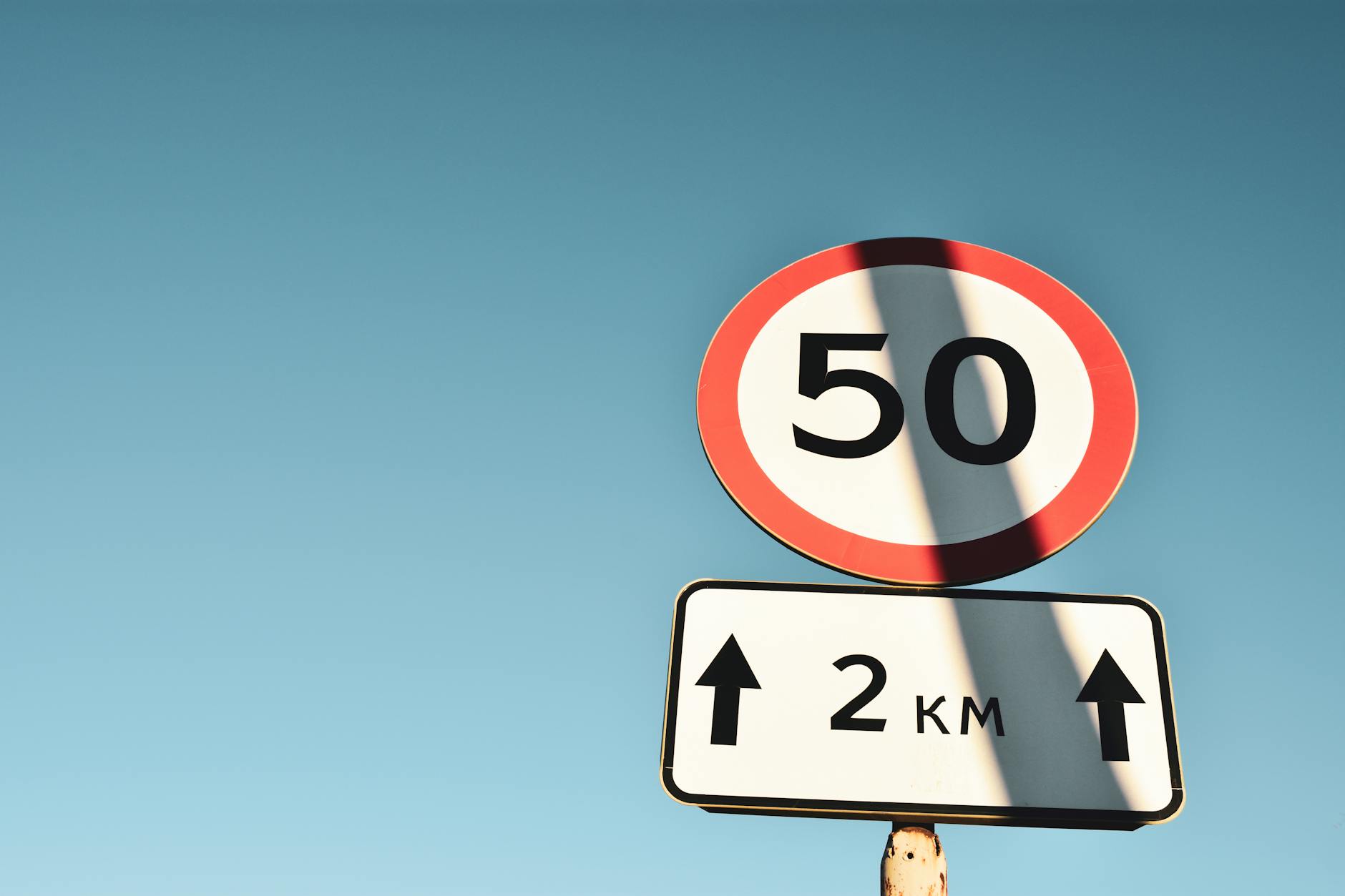
This is where overseas drivers get caught out, so read it twice. The default urban speed limit is 50km/h on suburban streets unless a sign tells you otherwise. In some areas, shopping precincts, busier inner-city strips, that drops to 40km/h. School zones are 25km/h when children are present (the signs make the times clear), and that one is policed hard. Out on the open highway you’ll see 100 to 110km/h, with 110 reserved for the major routes.
Now the part I really want you to absorb: South Australia enforces speed limits strictly and the tolerance is genuinely small. There are fixed cameras, mobile camera cars parked on the roadside, hand-held radar, and point-to-point cameras that clock your average speed across a stretch. The state has also rolled out mobile-phone-detection cameras (more on phones in a moment). I’m not saying this to scare you; I’m saying it because a holiday speeding fine on a hire car, with the rental company’s admin fee on top, is a miserable souvenir. Set the cruise control on the highway and you’ll never think about it again. As always, check the current limits and penalties at mylicence.sa.gov.au before you rely on anything here, because rules and figures do change.
Phones, alcohol and the rules that carry the biggest penalties
Using a hand-held mobile phone while driving is banned, full stop. You can use a phone in a fixed cradle or fully hands-free for navigation and calls, but touching it in your hand, even at the lights, is an offence, and those mobile-detection cameras I mentioned are very good at catching it. Set your sat-nav before you pull out, or have a passenger work the maps.
The blood alcohol limit for a full licence holder is 0.05. For anyone on a learner or provisional licence the limit is zero, and if you’re driving on an overseas licence and you’d be considered a learner or provisional driver by age or experience, take the zero limit as your guide. Random breath testing is common and the booze buses appear without warning, particularly around the wine regions on weekends. My honest advice for a cellar-door day: have a designated driver, or do an organised tour. If you’re planning a tasting-heavy run through the Barossa Valley, down to McLaren Vale or up into the Adelaide Hills, sort the driving question before the first glass, not after it.
Roundabouts, give way and the little courtesies
Roundabouts are everywhere in Adelaide and they’re the single thing newcomers ask about most. The rule is simple: give way to any vehicle already on the roundabout, which in practice means give way to the right. Signal your exit as you leave, and don’t dawdle, locals enter briskly once it’s clear. At unmarked intersections and T-junctions the give-way signs and road markings do the talking, so just read them; South Australia is well signed.
A couple of local courtesies worth knowing. A raised hand or a flash of the headlights from an oncoming country driver is usually a friendly “g’day” or a heads-up that there’s a hazard, a roo, a cop, a wide load, around the next bend. And if a faster local is stuck behind you on a country road, pull left where it’s safe and wave them past; it’s good manners and it keeps everyone calmer.
Driving on an overseas licence and the IDP question
Good news for visitors: you can drive in South Australia on a valid overseas driver’s licence for the duration of your visit, provided it’s current. If your licence is written in English, carry the physical licence and you’re set. If it’s in another language, carry an International Driving Permit (IDP) alongside it, or an accredited English translation, you arrange the IDP in your home country before you leave, not here. Keep the licence on you whenever you drive, because if you’re pulled over or you’re in an incident you’ll need to produce it.
Hire companies have their own rules layered on top, minimum age, young-driver surcharges, and which licences they’ll accept, so confirm the details when you book. Our guide to car rental in Adelaide walks through what to look for in a rental agreement, the insurance excess traps, and how to pick up smoothly at the airport. If you’d rather collect the car straight off the plane, our Adelaide airport to city guide covers the depots and the run into town. Read the contract’s fine print on where you’re allowed to take the car; it matters more than you’d think, as you’ll see when we get to the dirt roads.
Driving in the city: one-ways, parking and the Hills descent
Adelaide’s CBD is a tidy one-mile square wrapped in parklands, and once you understand the grid it’s one of the easier cities in the country to drive. A handful of streets run one-way, so glance up at the signs and don’t fight them; the grid is forgiving and you’ll loop back around in a minute. Traffic is light by big-city standards, locals only half-joke about calling it the “20-minute city”, and you rarely sit in the kind of gridlock you’d find over east.
Where to park without the stress
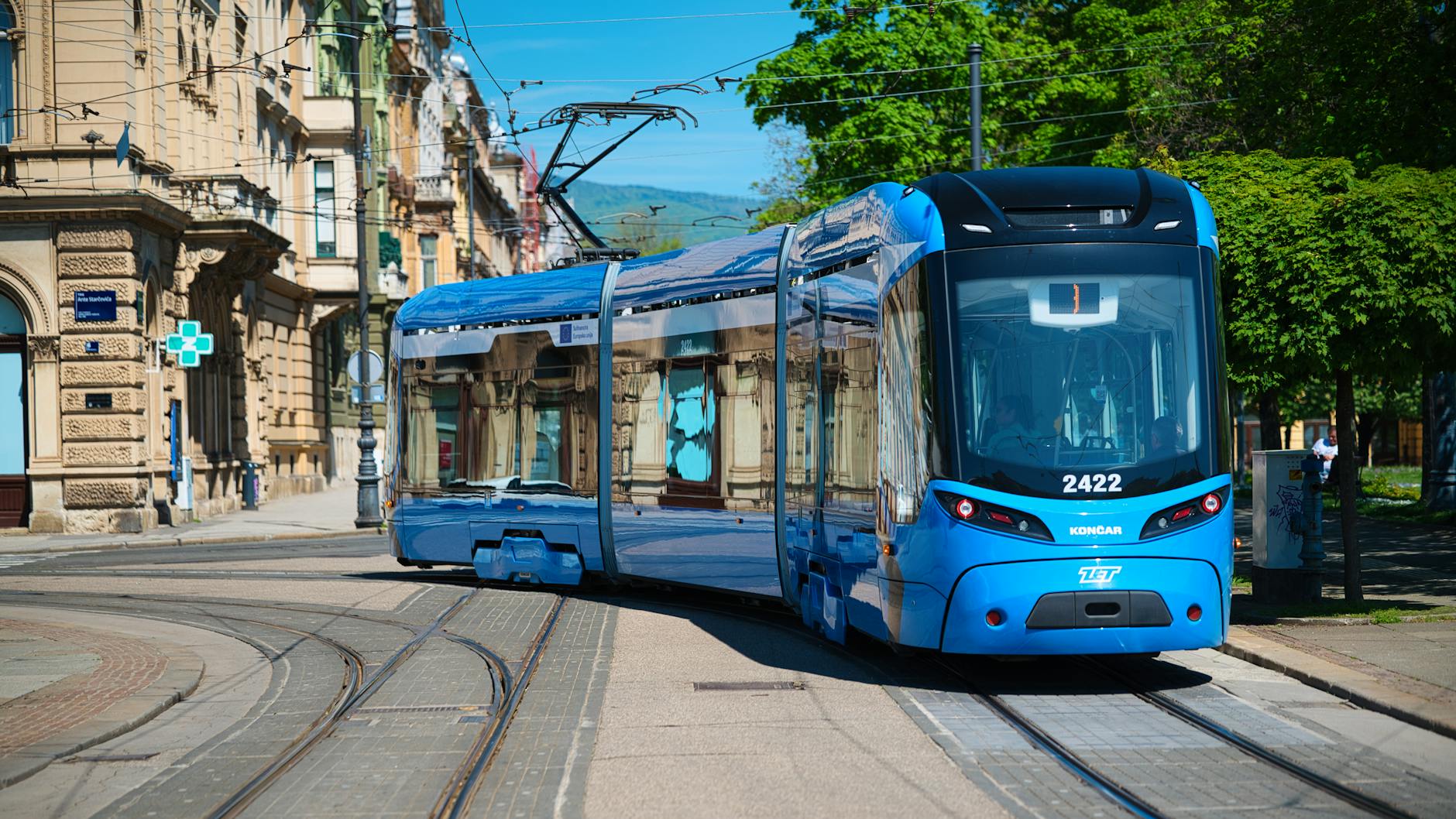
For parking in town I steer people to the U-Park council car parks, which are reliable, central and usually cheaper than the private operators, with handy evening and weekend rates. There’s metered on-street parking too, just read the time-limit signs carefully because inspectors are diligent. My favourite trick, and the one I actually use, is the free or cheap parking on the Park Lands fringe around the edge of the city square. Park there, then walk in or hop on the free city loop bus or tram; the centre is small enough that the walk is no hardship. If you’d rather skip the car for city days entirely, our Adelaide public transport guide and our rundown of the free tram through the CBD cover it at no cost. Leaving the car parked and busing in is also one of the easiest savings in our guide to Adelaide on a budget.
The Adelaide Hills freeway, respect the descent
If you’re coming into Adelaide from the Hills or heading back up the South Eastern Freeway, you’ll meet one of the few genuinely demanding bits of driving in the metro area: the steep descent into the city. It drops fast and far, and heavy vehicles are required to use low gear, with safety arrester beds built into the roadside for trucks that lose their brakes. In a car you’re fine, but do the sensible thing, change down a gear rather than riding the brakes the whole way, keep your distance from trucks, and don’t be alarmed by the warning signs; they’re aimed mainly at the big rigs. Take it steady and the view of the city opening up below is one of the best welcomes Adelaide gives you.
No toll roads, and other quietly good news
Here’s something that delights interstate visitors: there are no toll roads in South Australia. None. You won’t need a toll tag, you won’t get a surprise bill from your hire company weeks later, and you can plan a route without a calculator. After the toll mazes of Sydney and Melbourne, it feels almost too easy. Fuel is your only real running cost, and country prices can be higher than the city, so fill up before you head bush.
Country and outback driving: the big distances
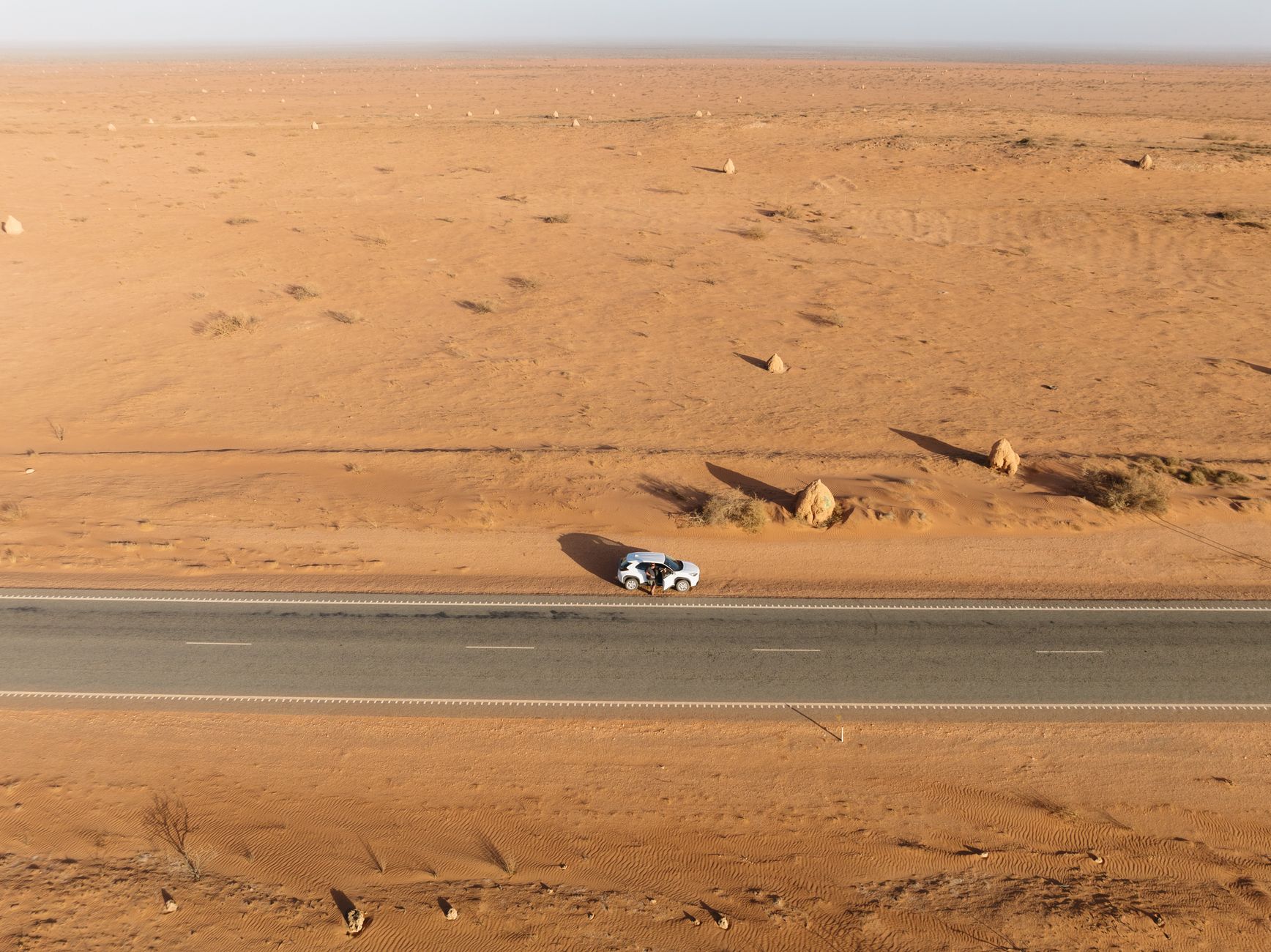
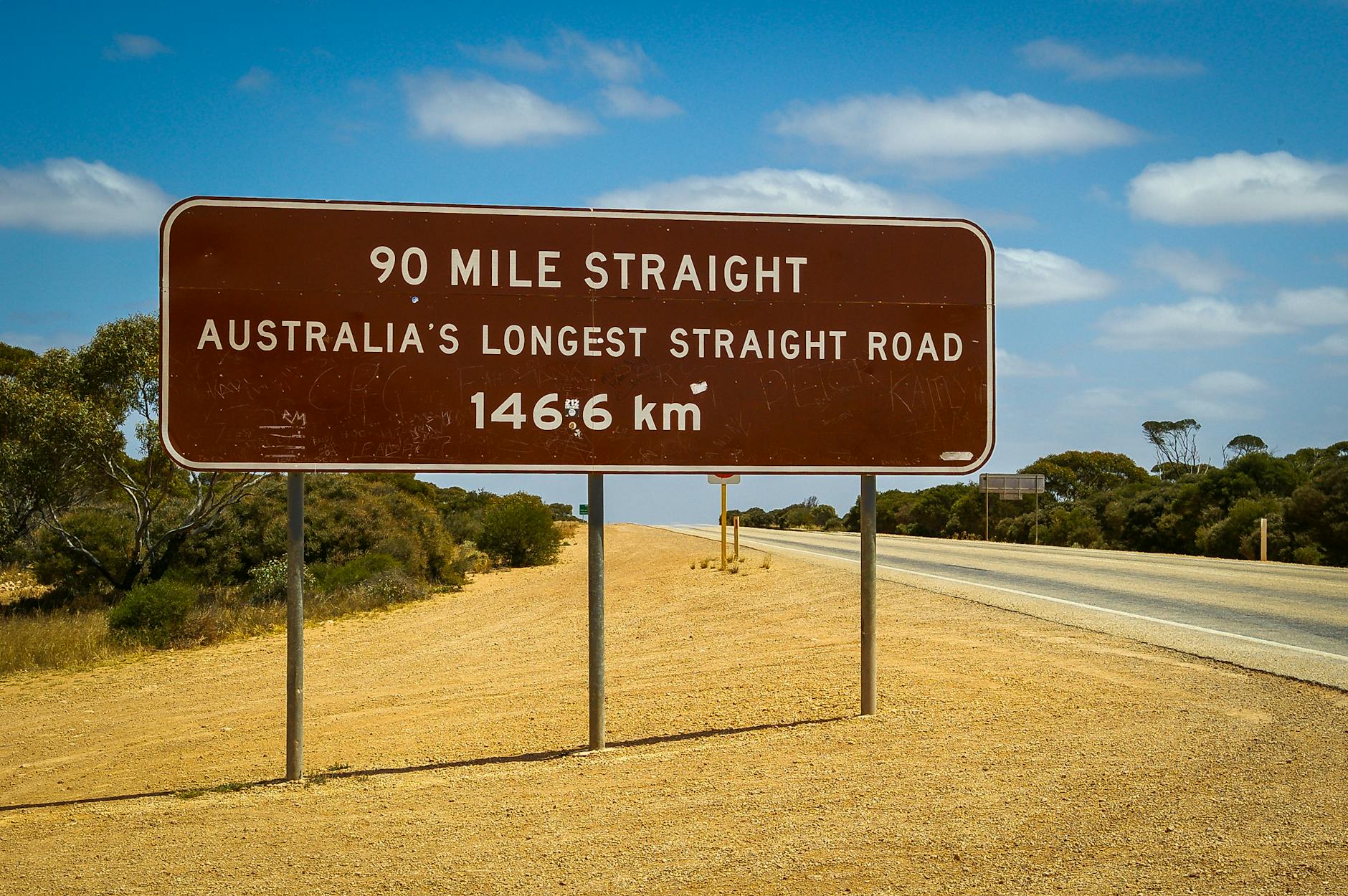
This is where South Australia stops being a city you drive in and becomes a state you drive across. The distances are real. Towns can be a long way apart, and on some stretches you’ll go well over 200km without a fuel stop. The cardinal rule of country driving here is simple: fuel up whenever you can, not when you’re running low. If you pass a roadhouse and you’re below three-quarters of a tank, top up. Petrol stations in small towns can close early or run dry, and “I’ll get it at the next town” is how people end up stranded.
Carry water, always, even on a day trip, and more than you think you’ll need. Throw a few litres in the boot. Mobile coverage drops out across big areas, so tell someone your route and rough timing, and don’t rely on your phone for navigation alone, a paper map or offline maps as backup has saved me more than once. If you’re planning a proper run north, our Adelaide to Flinders Ranges road trip guide and our overview of the Flinders Ranges from Adelaide lay out the distances, the fuel stops and where to break the drive.
Fatigue is the real danger, take it seriously
Speed and alcohol get the headlines, but on long country drives fatigue is what actually catches people out. The roads are straight, the scenery hypnotic, the air-conditioning lulling, and an hour can pass in a daze. Plan to stop and stretch every couple of hours. South Australia has a network of rest stops and the wonderful “Driver Reviver” sites, volunteer-run stops on major routes during holiday periods that hand out free tea, coffee and a chat to keep you awake. Use them. Swap drivers if you can. If your eyes are getting heavy, pull over somewhere safe and have a quick nap; no view is worth nodding off for.
Unsealed roads, road trains and dust
Plenty of South Australia’s best corners sit at the end of an unsealed road, and here’s the catch that surprises a lot of visitors: many hire-car contracts ban dirt roads entirely, and if you have a prang on gravel without the right cover, you may not be insured. Before you point the car down any dirt track, read your rental agreement and, if in doubt, ring the company and ask. If you genuinely plan to go off the bitumen, you may need a 4WD with explicit permission and the right insurance, sort that at booking.
On the highways you’ll meet road trains, enormous trucks hauling multiple trailers. Give them a wide berth. When one’s coming the other way on a narrow road, ease left and slow down, because the wind blast and flying gravel can be startling. Overtaking one takes far longer than you’d expect, so only commit when you’ve got a long, clear straight. And dust is a real hazard on unsealed roads, an oncoming vehicle can throw up a cloud that blinds you for several seconds, so slow right down, keep left, and put your headlights on so others can see you coming.
Wildlife: the kangaroos, the emus and the dusk rule
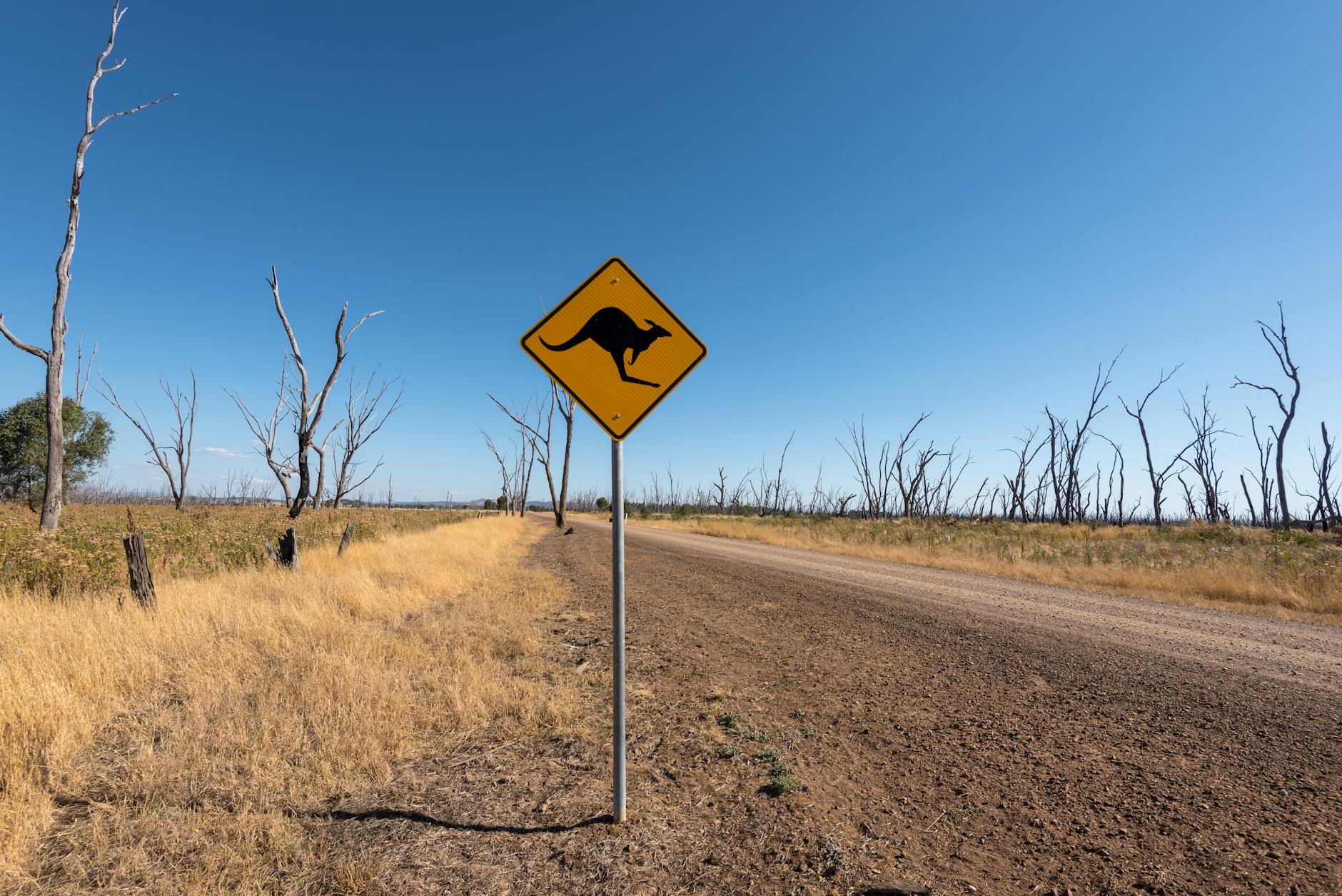
If there’s one section to commit to memory, it’s this one. South Australia’s wildlife is glorious and it is also the most common cause of grief for country drivers. Kangaroos and emus are most active around dawn and dusk, and the single best thing you can do is avoid driving in the country at those times altogether. Plan your long legs for the middle of the day and you’ve removed most of the risk in one move.
When you do meet an animal on the road, the advice is counter-intuitive but it saves lives: brake firmly and DON’T swerve. Swerving to miss a roo is how drivers hit a tree, roll the car, or veer into oncoming traffic, outcomes far worse than the collision you were trying to avoid. Slow down hard, stay in your lane, and if a hit is unavoidable, a controlled impact is survivable in a way that a high-speed swerve often isn’t. Remember too that they travel in groups: if one bounds across, more are usually coming, so don’t accelerate the instant the first one clears. At dawn and dusk, drive with your headlights on (high beam where there’s no oncoming traffic), scan the verges, and ease off the throttle the moment you see eyeshine in the grass. Locals know to expect them; now you do too.
A road-trip prep checklist
Before any decent drive out of the city, I run through the same mental list, and I’d hand it to you whole:
- Fuel the car full before you leave town, and top up at every opportunity once you’re rural.
- Water for everyone, plus extra in the boot, on any country leg.
- Check the hire agreement for where you’re allowed to drive (sealed roads only?) and what the insurance excess is.
- Tyres, including the spare, properly inflated; know where the jack is.
- Offline maps downloaded, plus a rough route shared with someone, because coverage drops out.
- Snacks and a charged phone, in a cradle, never in your hand.
- Plan your timing to avoid dawn and dusk in roo country, and build in rest stops every couple of hours.
- Sun protection, the glare out here is fierce; a pair of polarised sunglasses is not a luxury.
With that ticked off, the whole state opens up. A self-drive is comfortably the best way to reach the wineries, the beaches and the gum-studded hills, and our roundup of the best day trips from Adelaide is full of drives you can do and be home by dinner. If sand is more your thing, the metropolitan coast is an easy drive too, sorted in our pick of the best beaches in Adelaide.
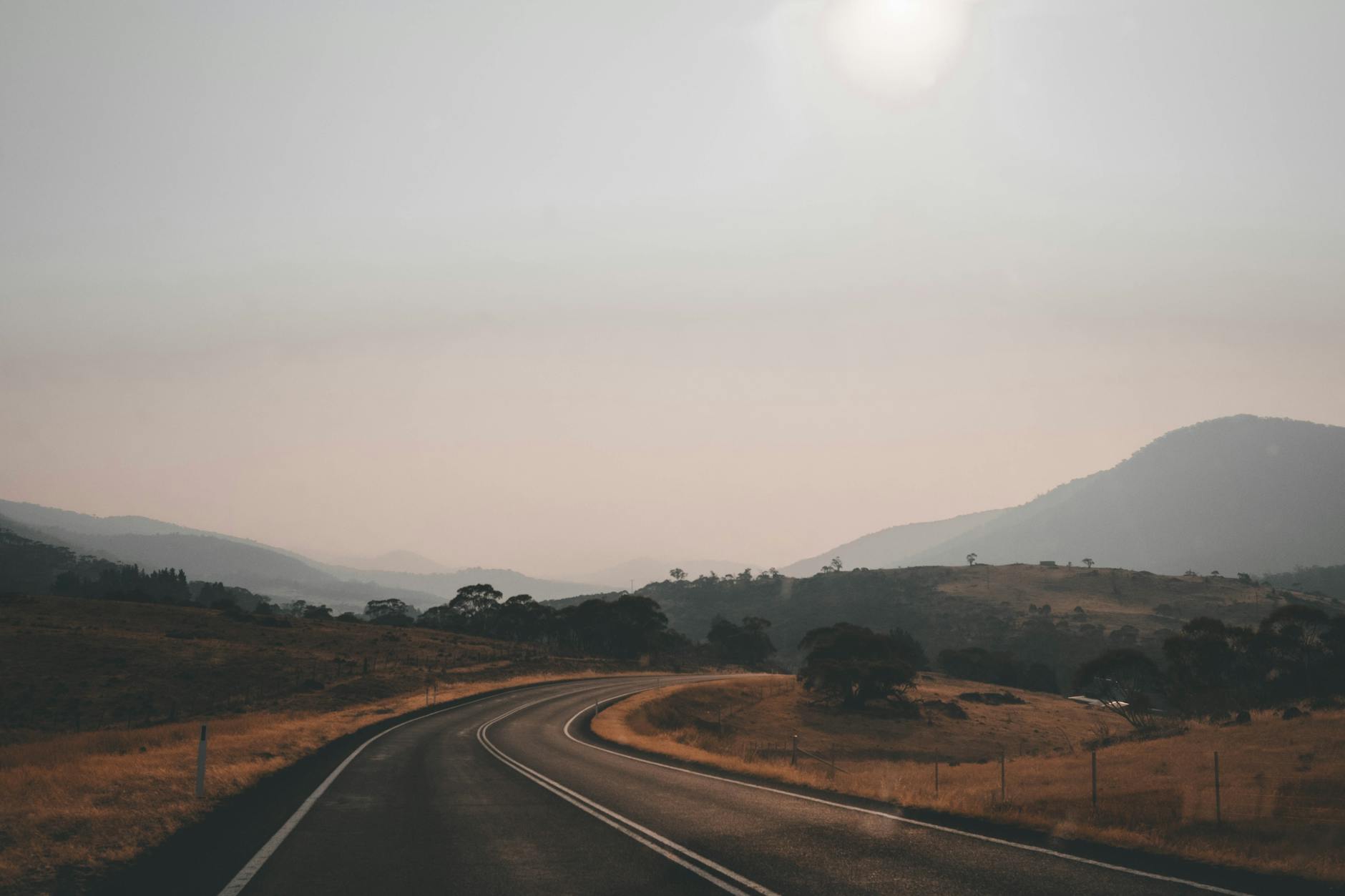
Where a car really earns its keep
You don’t strictly need a car for an Adelaide city break, the centre is walkable and the free transport is genuinely good. But the moment you want to roam, a car changes everything. The wine regions are an easy morning’s drive, the Fleurieu beaches are close, and the day-trip radius is generous. For the truly ambitious, even Kangaroo Island from Adelaide is doable with a car on the ferry, and the wide-open drives up to the Flinders are some of the most memorable in the country. If you’re weighing up whether to hire at all, our car rental guide and our broader Adelaide travel tips will help you decide, and our complete Adelaide travel guide ties the whole trip together.
Drive on the left, watch your speed, leave the phone in its cradle, fuel up early, and give the roos the dawn and dusk shift to themselves. Do that and South Australia is one of the great driving states, big skies, empty roads, and a cellar door or a clifftop at the end of nearly every one. Just remember to check the current rules at mylicence.sa.gov.au before you set off, because the road never stops changing even when the scenery looks eternal.
Frequently asked questions
Can I drive in South Australia on an overseas licence?
Yes. Visitors can drive on a valid current overseas driver’s licence for the length of their stay. If the licence is in English, carry the physical card. If it’s in another language, carry an International Driving Permit (IDP) or an accredited English translation arranged in your home country before you travel. Hire companies may add their own age and licence conditions, so confirm when you book, and check current requirements at mylicence.sa.gov.au.
What side of the road do you drive on in South Australia?
You drive on the left, with the steering wheel on the right of the car and overtaking on the right. Drivers from left-side countries like the UK, Japan and New Zealand adapt instantly. If you’re used to driving on the right, take extra care with roundabouts and when pulling out of car parks for the first hour or so, and it soon becomes second nature.
Is it safe to drive at night in the country in South Australia?
It can be, but the biggest risk is wildlife. Kangaroos and emus are most active at dawn and dusk, so it’s best to avoid country driving at those times and overnight where you can. If you must drive after dark, slow down, use your headlights and high beam where there’s no oncoming traffic, scan the verges, and if an animal is on the road brake firmly and don’t swerve. Fatigue is also a major risk on long, straight roads, so rest every couple of hours.
Are there toll roads in South Australia?
No. There are no toll roads anywhere in South Australia, so you won’t need a toll tag and won’t receive surprise toll charges from your hire company. Your main running cost on a road trip is fuel, which can be pricier in country towns, so fill up before you leave the city and top up whenever you get the chance.
Can I take a hire car on unsealed or dirt roads in South Australia?
Often not. Many standard hire-car contracts ban unsealed and dirt roads, and driving on them without the right cover can void your insurance. Always read your rental agreement and, if you plan to go off the bitumen, ask the company directly. You may need a 4WD with explicit permission and appropriate insurance, which you should arrange at the time of booking.
What are the speed limits and how strictly are they enforced?
The default urban limit is 50km/h, dropping to 40km/h in some areas and shopping precincts, with school zones at 25km/h when children are present. Highways are generally 100 to 110km/h. South Australia enforces limits strictly using fixed and mobile cameras, radar, point-to-point cameras and mobile-phone-detection cameras, with a small tolerance. Using cruise control on the highway is the easiest way to stay safe and fine-free. Check current limits at mylicence.sa.gov.au.
Once you are confident with the road rules and the wildlife, the question becomes where to point the car. Our guide to South Australia road trips lays out eleven routes with real distances and honest driving times — a one-day Hills loop at the short end, the Stuart Highway to Coober Pedy at the other — including which ones need a 4WD and which ones absolutely do not.