Let me be straight with you from the first line: doing the Flinders Ranges from Adelaide is not a day trip, no matter what an optimistic blog post or a hire-car brochure might suggest. The most famous bit, Wilpena Pound, sits roughly 430 to 500 kilometres north of the city, which is about five hours of driving each way before you’ve so much as stretched your legs or looked at a single ridge line. This is a proper outback road trip, the kind every South Australian should do at least once, and the kind I quietly judge people for skipping. If you want the bigger picture of the state’s wild side first, our pillar guide to Adelaide’s beaches and nature sets the scene, but this is the trip that takes you somewhere genuinely ancient and enormous.
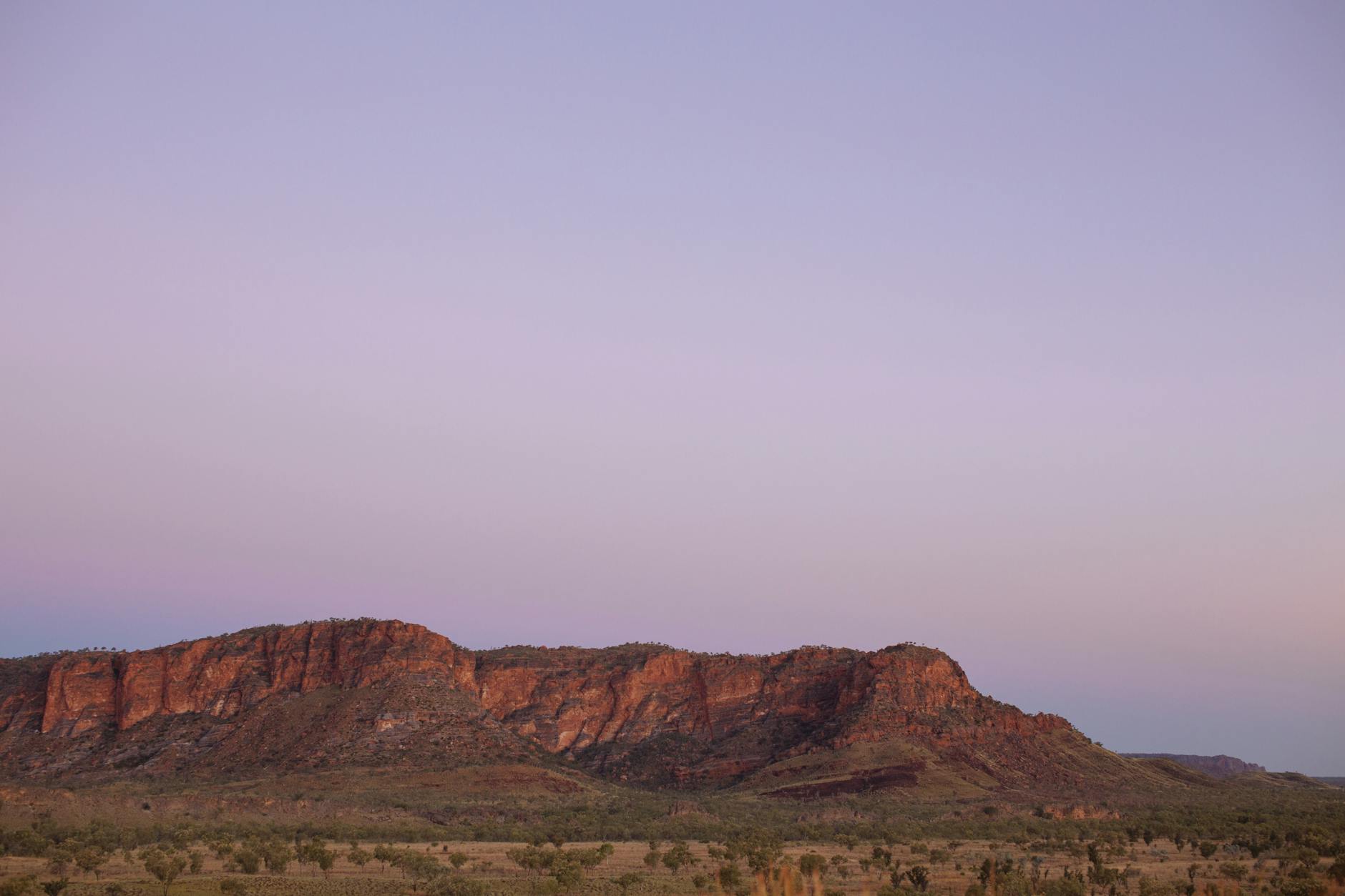
I’ve made this drive more times than I can count, in everything from a dusty hatchback to a borrowed 4WD, and the ranges still floor me every single time. The light up there does something to the rock that no photo quite captures. So pack properly, give yourself the time it deserves, and let me walk you through how I’d actually do it. If you’re still filling out the rest of your trip, our round-up of things to do in Adelaide covers the city end of things.
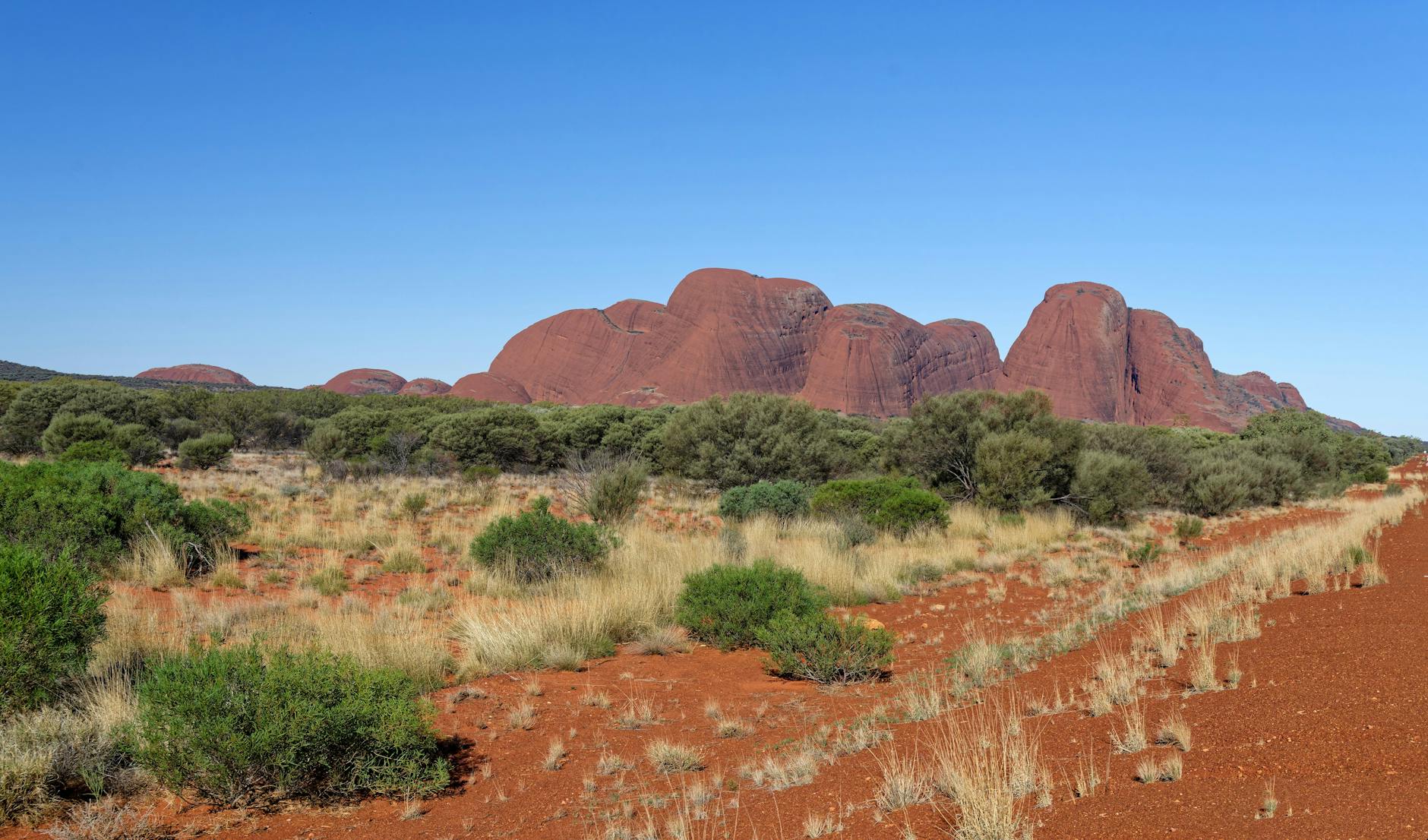
Where are the Flinders Ranges, and why isn’t this a day trip?
The Flinders Ranges are South Australia’s great outback mountain country, stretching for hundreds of kilometres up the spine of the state north of Adelaide. The drawcard most people have in mind is Wilpena Pound, known by its Adnyamathanha name Ikara, a vast natural amphitheatre of mountains that’s roughly 800 million years old. It sits about 25 kilometres past the little town of Hawker, and Hawker is already a good five hours from the city. Do the maths and you’ll see why I keep banging on about this: even a flat-out, dawn-to-dark mission would give you maybe an hour at the Pound before you’d have to turn around, and you’d arrive home a wreck having seen almost nothing.
So treat this as what it is: an overnight trip at the absolute minimum, and ideally two to three full days. With one night you can see the headline sights. With three you can slow down, do a couple of proper walks, get out into the gorges, and actually feel the place rather than just photographing it. If you’re weighing this up against shorter escapes, our round-up of the best day trips from Adelaide covers the genuinely doable-in-a-day options; the Flinders is firmly in the next category up. Think of it as the bucket-list one, the wild counterpart to an easy afternoon at one of the best beaches in Adelaide.
The drive north: stops worth making en route
Half the joy of this trip is the journey, and the road north strings together some of the best small towns in the state. Don’t just put your head down and barrel through. Build in the stops and the long drive turns from a chore into the trip itself.
Clare Valley (about two hours from Adelaide)
The first natural pause is the Clare Valley, a touch under two hours out. It’s one of my favourite wine regions in the country and a civilised place to break the drive with a coffee, a riesling tasting if you’ve got a non-drinking driver, or a leisurely lunch. The Riesling Trail, an old rail corridor turned cycling and walking path, is a lovely leg-stretch. If you’ve got the time on the way back rather than the way up, our Clare Valley wine guide has the cellar doors I’d actually steer you towards. On the drive north, though, I’d keep it brief: a coffee and a sandwich, then back on the road, because you’ve still got a long way to go.
Melrose, the oldest town in the Flinders
Melrose holds the title of the oldest town in the Flinders Ranges, and it’s a gem. It sits at the foot of Mount Remarkable, all heritage stone buildings and big gum trees, and these days it’s quietly become one of the best mountain biking destinations in the state. The trails on the flanks of Mount Remarkable draw riders from all over, and even if you’re not on two wheels there’s good walking in Mount Remarkable National Park. The pub does a solid counter meal and a cold pint, which after a few hours of driving lands very well. If hill walking is your thing more broadly, our guide to the best hiking trails around Adelaide covers the closer-to-home options for warming up before a trip like this.
Quorn and the Pichi Richi Railway
Quorn is pure outback film-set material, which is fitting because plenty of movies have been shot here. The big draw is the Pichi Richi Railway, a beautifully preserved heritage line that runs vintage steam and diesel trains through the Pichi Richi Pass. If your timing lines up with a running day, it’s a genuinely special couple of hours and a window into the railway history that opened up this country. Quorn’s wide main street, with its old pubs and bakery, is a good place to fuel up both yourself and the car.
Hawker, the gateway
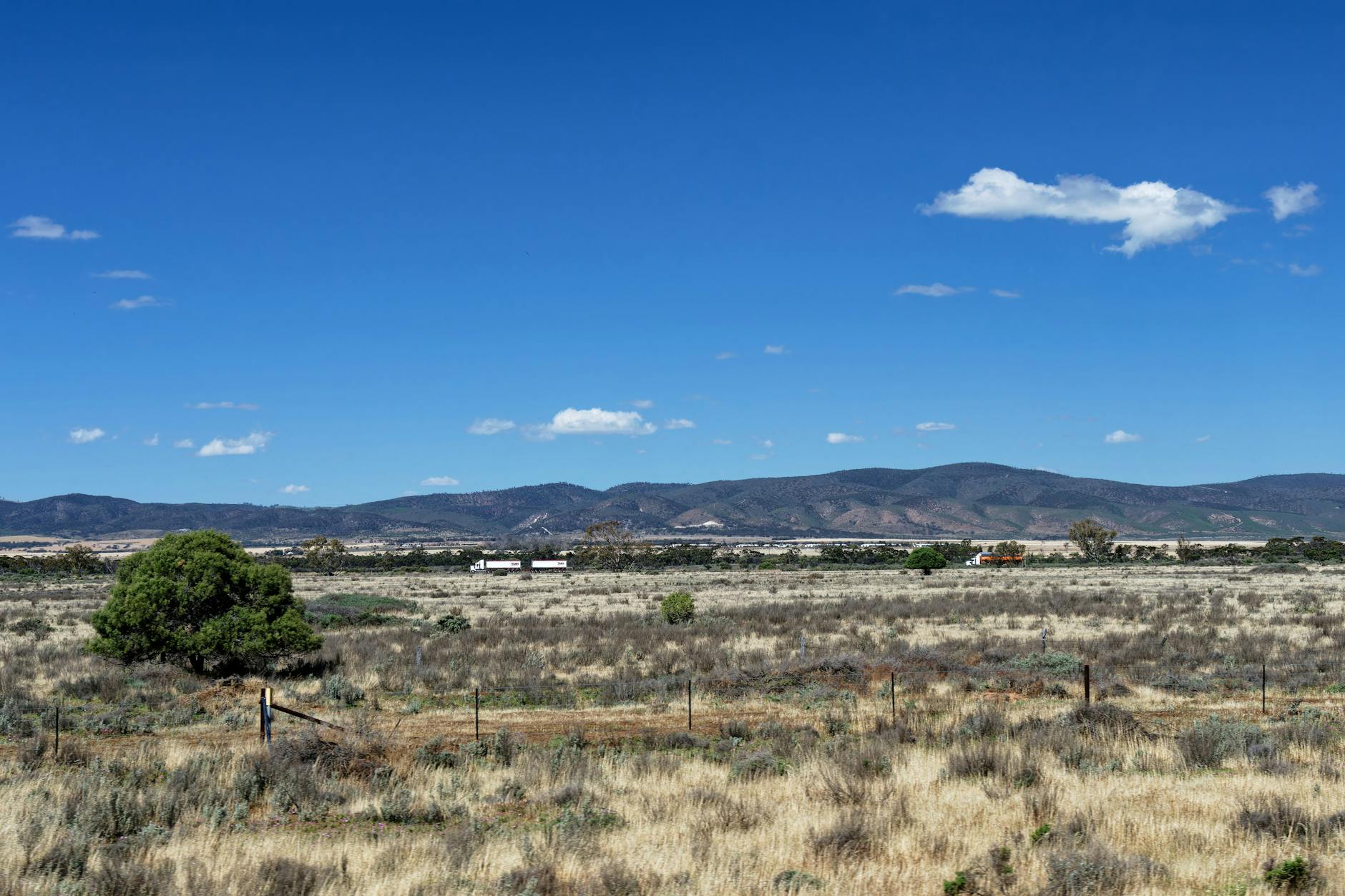
Hawker is the last town of any real size before Wilpena Pound, which makes it the practical gateway to the ranges. This is where you do your serious preparation: fill the tank right up, top up your water, grab any supplies you’ve forgotten, and check current road conditions, especially if you’re planning to head onto any of the unsealed roads beyond. The Hawker general store and fuel stop is something of an institution. From here it’s a short, scenic run up to the Pound itself, and the country around you has well and truly become the outback.
Wilpena Pound (Ikara): the heart of the trip
Wilpena Pound is the reason most people make this drive, and it earns the journey. Picture a huge, elevated natural basin ringed entirely by mountains, an amphitheatre carved over something like 800 million years, with the whole rim rising up around a sheltered floor. To the Adnyamathanha people, the Traditional Owners of this country, it’s Ikara, meaning “meeting place”, and the landscape is woven through with their stories and law. Standing at a lookout with the walls of the Pound curving away on both sides is one of those moments that recalibrates your sense of scale.
The natural base for exploring it is Wilpena Pound Resort, which has a spread of options from hotel-style rooms to powered and unpowered campsites, plus a general store, fuel and a place to eat. In peak season, autumn through spring, it fills up, so book your accommodation well ahead rather than rocking up and hoping. If you’re camping, the campground is well set up and waking to galahs and the early light on the ranges is worth the slightly hard ground. This is your hub for a day or three of exploring, so settle in.
Walks and lookouts inside and above the Pound
The classic introduction is the walk to the Wangara Lookout, reached via the old Hills Homestead. It’s a relatively gentle track that takes you up to a viewpoint over the floor of the Pound, and it’s the single best way to grasp the sheer size of the place. For something with more reward and more puff, the climb up Mount Ohlssen Bagge gives you sweeping views back over the whole basin and out across the ranges; it’s a decent half-day effort and you’ll want good shoes, plenty of water and an early start in the warmer months.
The highest peak on the rim is St Mary Peak, and here I need to pass on something important. St Mary Peak is sacred to the Adnyamathanha people, and they ask visitors not to summit it out of respect for its cultural significance. The right thing to do is honour that request: there are alternative routes and the partial walk still delivers extraordinary views without standing on the summit itself. It costs you nothing to be respectful, and it matters. Plan your walk accordingly.
Beyond the Pound: gorges, geology and wildlife
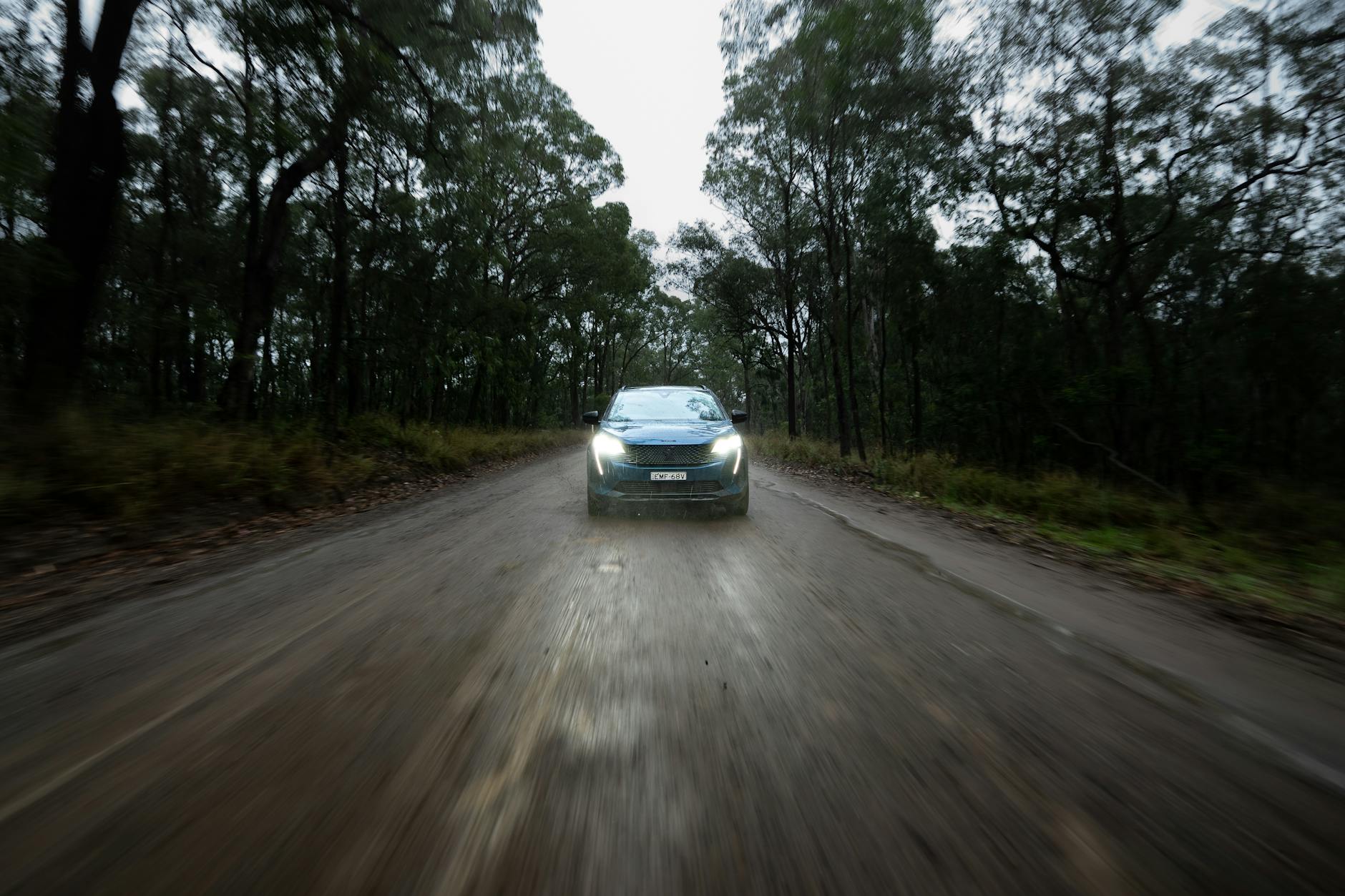
If you only see Wilpena Pound you’ll have done well, but the country beyond it is where the Flinders really opens up, and where a 4WD or at least a high-clearance vehicle starts to pay off. Some of these roads are unsealed and a few stretches genuinely want four-wheel drive, so check current conditions before you commit and don’t take a low hire car somewhere it shouldn’t be.
Brachina and Bunyeroo Gorges
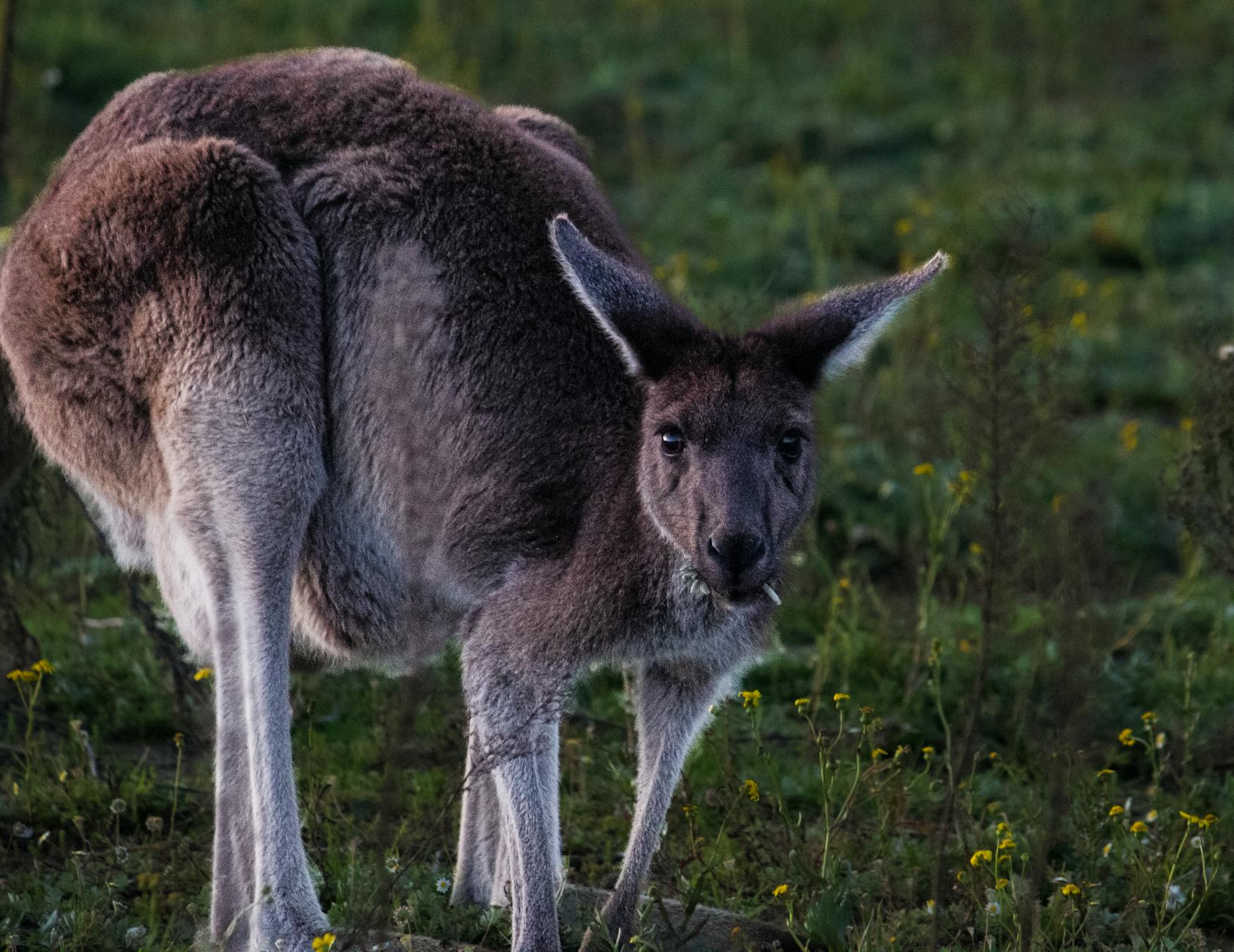
The drive through Brachina and Bunyeroo Gorges is the highlight of the wider park for a lot of people, and it’s where the deep time of this landscape becomes almost touchable. Brachina is known as a “geological corridor”: the road cuts through hundreds of millions of years of exposed rock layers, with interpretive signs that turn the drive into a self-guided lesson in Earth’s history. It’s also one of the best places in the country to spot the yellow-footed rock wallaby, a gorgeous, ring-tailed little marsupial that clings to the rocky cliffs. Go slow, keep your eyes on the scree and the ridgelines, and you’ve got a real chance of seeing them, especially early or late in the day.
Sacred Canyon rock art
Sacred Canyon holds Aboriginal rock engravings, ancient petroglyphs pecked into the rock, and it’s a quiet, powerful reminder that people have lived in and cared for this country for tens of thousands of years. Treat it with the respect it deserves: look, don’t touch, and take nothing but photos. The access road can be rough, so again, check conditions first.
A drink at the Prairie Hotel, Parachilna
Out on the western edge, in the tiny settlement of Parachilna, sits the Prairie Hotel, an outback pub with a reputation that travels far further than its dot on the map. It’s famous for its “feral” and native menu, where you can try kangaroo, camel and emu done properly rather than as a gimmick. The classic order is the “feral antipasto” if you want to sample the lot. It’s a bit of a drive out from the Pound, but it makes a brilliant lunch or dinner mission and the pub itself, marooned in flat saltbush country with the ranges as a backdrop, is the stuff of South Australian legend.
Adnyamathanha country and cultural tours
The Flinders Ranges are Adnyamathanha country, and the deeper you understand that, the richer the trip becomes. The very names tell the story: Ikara for Wilpena Pound, and a creation narrative in which the walls of the Pound are the bodies of two giant serpents, Akurra. Reading the landscape through that lens, rather than just as pretty rock, changes how you see everything around you.
The best way to engage with it properly is on an Aboriginal-led cultural tour. Adnyamathanha guides share Dreaming stories, bush knowledge, the meaning of sites, and the living connection between people and country that long predates any road map. I’d put it near the top of your list; it’s the kind of experience that stays with you long after the photos blur together. Ask at the resort or check current operators when you book, as availability changes through the seasons.
Scenic flights over Ikara
If your budget stretches to one splurge on this trip, make it a scenic flight over Wilpena Pound. From the ground you can sense the scale of the amphitheatre; from the air you finally see the whole astonishing shape of it, the complete ring of mountains laid out below you like something out of a documentary. Flights operate from near the resort and the early-morning slots, when the light rakes low across the ranges, are the ones to chase. It’s not cheap, but as a once-in-a-lifetime view it’s hard to beat.
A suggested two to three day itinerary
To make this concrete, here’s roughly how I’d structure a three-day trip, which is the sweet spot if you can manage it.
Day one: the drive up
Leave Adelaide early. Break in the Clare Valley for coffee and a leg-stretch, push on through Melrose and Quorn (railway timing permitting), and aim to reach Hawker by mid-to-late afternoon. Fuel and water up at Hawker, then make the final run to Wilpena Pound Resort. Settle in, walk a little of the easy track near the resort as the light softens, and have an early night. You’ll have driven a long way and the next days are the payoff. It’s a big drive for little ones, so if you’re travelling as a family our notes on visiting Adelaide with kids are worth a look before you commit.
Day two: in and above the Pound
Start early. Walk out to Hills Homestead and the Wangara Lookout to take in the floor of the Pound, then, if you’ve got the legs, tackle Mount Ohlssen Bagge or part of the St Mary Peak route (without summiting). Spend the afternoon resting up or doing a shorter walk, and if you’ve booked one, this is a great day for a scenic flight in the soft morning or late light.
Day three: gorges and the long road home
Devote your last morning to the Brachina and Bunyeroo gorge drive if you’ve got a suitable vehicle, watching for yellow-footed rock wallabies, then either swing out to the Prairie Hotel at Parachilna for a memorable lunch or begin the drive south. Break the return journey somewhere comfortable rather than flogging it in one hit; the Clare Valley or a stop in the Mid North works well. You’ll roll back into Adelaide tired, dusty and quietly converted.
Getting there and what you’ll need
You need your own wheels for this trip; there’s no convenient public transport substitute. If you’re a visitor, sorting a vehicle is step one, and our guide to car rental in Adelaide walks through the options. Be honest with the hire company about where you’re going: many standard rentals are not insured for unsealed roads, and the gorge tracks in particular can need a 4WD. If you want to do Brachina and Bunyeroo properly, hire the right vehicle for it. Splitting fuel and accommodation across a carload keeps it surprisingly affordable, and our tips on doing Adelaide on a budget apply just as well to a road trip.
The drive itself is straightforward bitumen as far as Wilpena Pound, heading north via Port Wakefield or through the Clare Valley and the Mid North. It’s the side roads and gorge tracks that demand more of your car. Allow a full, relaxed five hours-plus to the Pound and plan your fuel stops; the gaps between towns get long up there, so never let the tank run low and always carry plenty of drinking water, well beyond what you think you’ll need.
When to go, and staying safe in the outback
Timing matters more here than almost anywhere else in the state. The Flinders summers are brutally hot, regularly into the high 30s and beyond, which makes walking dangerous and the whole experience punishing. The window I’d aim for is autumn through spring, roughly April to October, when the days are warm and clear and the nights are cool and starry. After good rain the country greens up and wildflowers appear, which is something to behold. For a broader sense of seasons, our guide to the best time to visit Adelaide and our seasonal notes on Adelaide in autumn will help you slot this trip into a wider itinerary; autumn in particular is a sweet spot for both the city and the ranges.
A few outback realities to take seriously. Phone reception is patchy to non-existent across much of the ranges, so tell someone your plans, don’t rely on your mobile for navigation or emergencies, and consider carrying a paper map or a satellite communicator for remote sections. Carry far more water than you expect to drink, on walks and in the car. The sun is fierce even on mild days, so cover up and slap on sunscreen. Snakes are about in the warmer months, so watch where you step and stick to the tracks. And check current park information and road conditions before you go, since entry fees, opening hours and track access do change. None of this is meant to scare you off; it’s just the price of admission to country this wild, and it’s well worth paying.
Combining the Flinders with the rest of South Australia
If you’re building a bigger South Australian adventure, the Flinders pairs naturally with other outback and nature trips. Many people who make this drive also tick off the state’s other great wildlife escape, and our guide to Kangaroo Island from Adelaide covers that one, an entirely different but equally memorable experience, while closer to the city the coast around Victor Harbor and Granite Island makes an easier nature escape. For ideas on tying the whole trip together, including the wine regions and coast you’ll pass on the way, our overarching Adelaide travel guide is the place to start planning. The Flinders is the wild, ancient heart of it all, and once you’ve stood inside that 800-million-year-old amphitheatre, the rest of the state makes more sense. For more off-the-beaten-track ideas once you’re back, our list of Adelaide’s hidden gems is a good next read.
Frequently asked questions
How far is the Flinders Ranges from Adelaide?
Wilpena Pound, the most popular destination in the Flinders Ranges, is roughly 430 to 500 kilometres north of Adelaide, which is about a five-hour drive each way. The route runs north via the Clare Valley or Port Wakefield, through towns like Melrose, Quorn and Hawker, with the Pound about 25 kilometres past Hawker.
Can you do the Flinders Ranges as a day trip from Adelaide?
Realistically, no. With around five hours of driving each way, a day trip would leave you almost no time at the ranges and a punishing 10-plus hours behind the wheel. The Flinders Ranges is an outback road trip that deserves at least one overnight stay, and ideally two to three full days to do it justice.
How many days do you need in the Flinders Ranges?
Plan for a minimum of one night to see the headline sights around Wilpena Pound, but two to three full days is the sweet spot. That gives you time to do a proper walk or two, explore the Brachina and Bunyeroo gorges, perhaps take a scenic flight, and slow down enough to actually feel the place rather than just photograph it.
Do you need a 4WD for the Flinders Ranges?
Not for the main route. The drive to Wilpena Pound is sealed bitumen the whole way, so a regular car is fine to reach the Pound. However, some of the best side trips, including the Brachina and Bunyeroo gorge drives, run on unsealed roads that can need a 4WD or high-clearance vehicle. Check current road conditions and your hire-car insurance before heading off the bitumen.
When is the best time to visit the Flinders Ranges?
Autumn through spring, roughly April to October, is the best time to visit. Summers in the Flinders are extremely hot, often in the high 30s, which makes walking dangerous and the whole trip uncomfortable. The cooler months bring clear warm days, crisp nights and, after good rain, green country and wildflowers.
Can you climb St Mary Peak in the Flinders Ranges?
St Mary Peak is the highest point on the rim of Wilpena Pound and is sacred to the Adnyamathanha people, who ask visitors not to summit it out of respect for its cultural significance. Please honour that request. There are alternative routes and a partial walk that still deliver extraordinary views without standing on the summit itself.