Morialta Conservation Park is the bit of bushland I send people to when they tell me they’ve only got half a day and they want to feel like they’ve left the city behind. It’s barely 10km from the GPO, up in the foothills of the Adelaide Hills, and yet ten minutes after you step out of the car you’re standing in a gorge looking up at a waterfall with not a single building in sight. The name comes from the Kaurna language, on whose country the park sits, and it’s usually translated as “ever-flowing” — a lovely idea, even if the falls themselves are honest enough to dry up by late summer. For the wider picture of what the coast and the hills have to offer, our guide to Adelaide’s beaches and nature is the place to start, and then come back here for the gorge in detail.
I’ve walked Morialta in every season, from a winter morning when First Falls was thundering to a January afternoon when it was a polite trickle over the rock. It’s one of those places that rewards knowing a few things before you go, so here’s everything I’d tell a friend who asked me how to do it properly.
Where is Morialta Conservation Park, and why it’s so easy to get to
Morialta sits in the suburb of Woodforde, in the foothills behind the eastern suburbs, where the flat coastal plain starts climbing into the Adelaide Hills. From the CBD it’s about a 20 to 25 minute drive — out along Magill Road or Payneham Road, then up Stradbroke and Moules roads to the main car park at the end of Morialta Falls Road. That proximity is the whole magic of the place. Plenty of cities have a dramatic gorge somewhere in their hinterland, but having one this wild a quarter of an hour from the office is genuinely rare, and it’s a big part of why Adelaide gets away with calling itself the 20-minute city. You’ll want your own wheels to get up here, so if you’re visiting it’s worth sorting car rental in Adelaide before you arrive.
You’re on Kaurna land here, and it’s worth pausing on that. The Kaurna people have a deep connection to these foothills and the creeks that run off them, and the park’s traditional name reflects that the water has always been central to the place. If you’d like to fold Morialta into a broader run of foothills and gorge walks, it slots neatly alongside the other routes in our roundup of the best hiking trails around Adelaide.
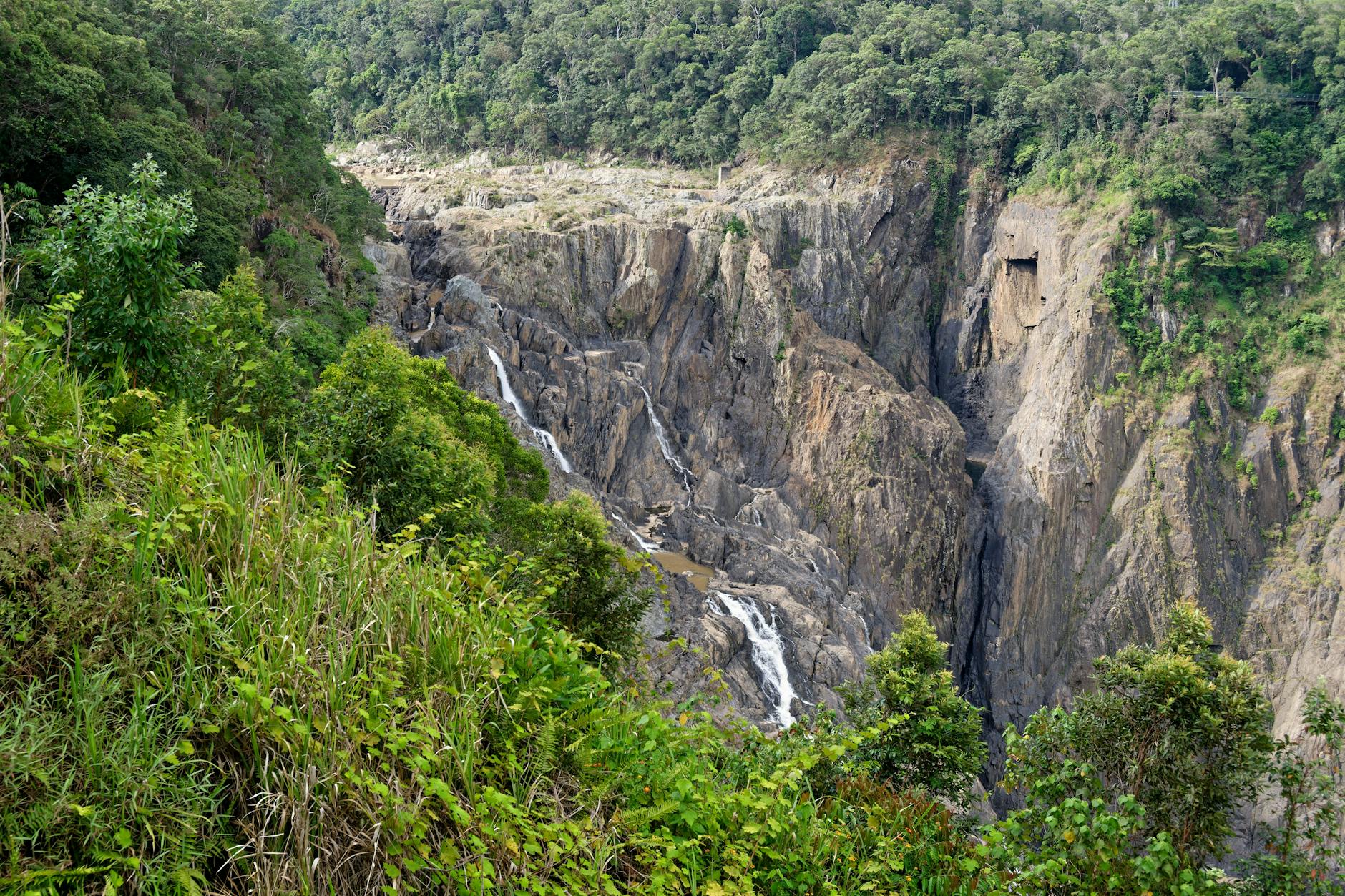
The three waterfalls on Fourth Creek
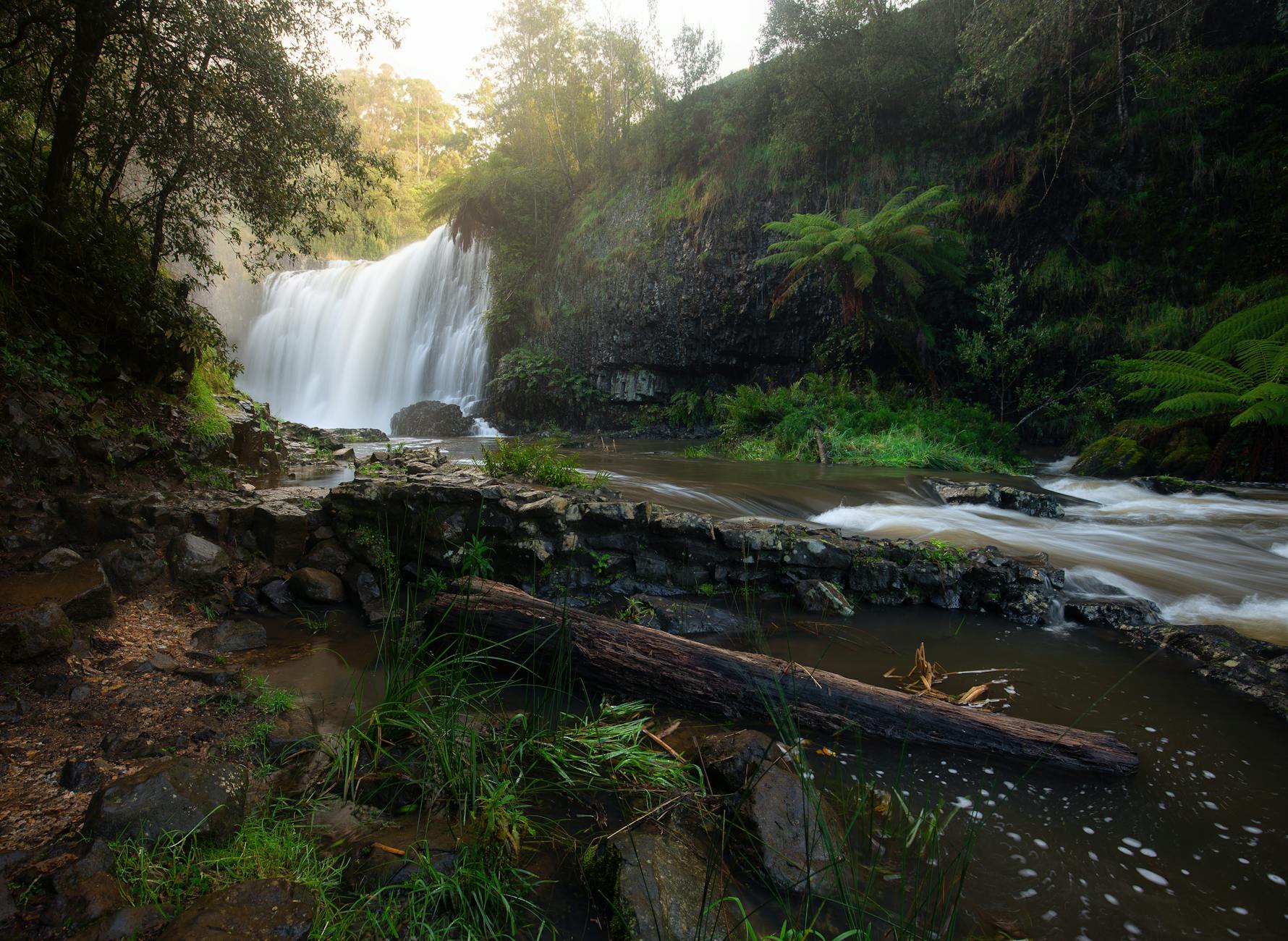
The headline act at Morialta is its three seasonal waterfalls, all strung along Fourth Creek as it tumbles down the gorge. They flow best in winter and spring, after the rain has had a chance to soak the hills, and they can slow to almost nothing by the end of a dry summer. If seeing water actually falling matters to you, come between about June and October — I’ll come back to timing later.
First Falls — the easy one everyone can do
First Falls is the most accessible and, for most visitors, the one they came to see. It drops around 30 metres down a sheer face at the head of the gorge, and you can reach the viewing area on an easy, mostly flat walk of about 40 minutes return from the main car park. The path follows the valley floor under big old gums, with the creek beside you, and there’s a lookout deck at the base where you get the full height of the fall in one go. It’s stroller-friendly enough at the start and manageable for most fitness levels, which is why it’s my standard recommendation for families or anyone short on time. After decent winter rain it’s genuinely impressive; in a dry spell it’s more of a damp streak on the cliff, so manage expectations accordingly.
Second and Third Falls — for those who want to keep walking
Second and Third Falls are the reward for going further. They sit higher up the system, reached on longer loop trails that climb out of the valley and along the gorge’s flanks. Second Falls is a series of cascades rather than one big drop, and the walk up to it takes you through some of the prettiest stretches of the park, with the creek crossing and re-crossing your path. Third Falls is further again and quieter for it; on a weekday you can have it largely to yourself. These aren’t hard climbs by serious bushwalking standards, but they’re proper uphill walking on uneven ground, so wear real shoes and bring water.
The Three Falls Grand Hike
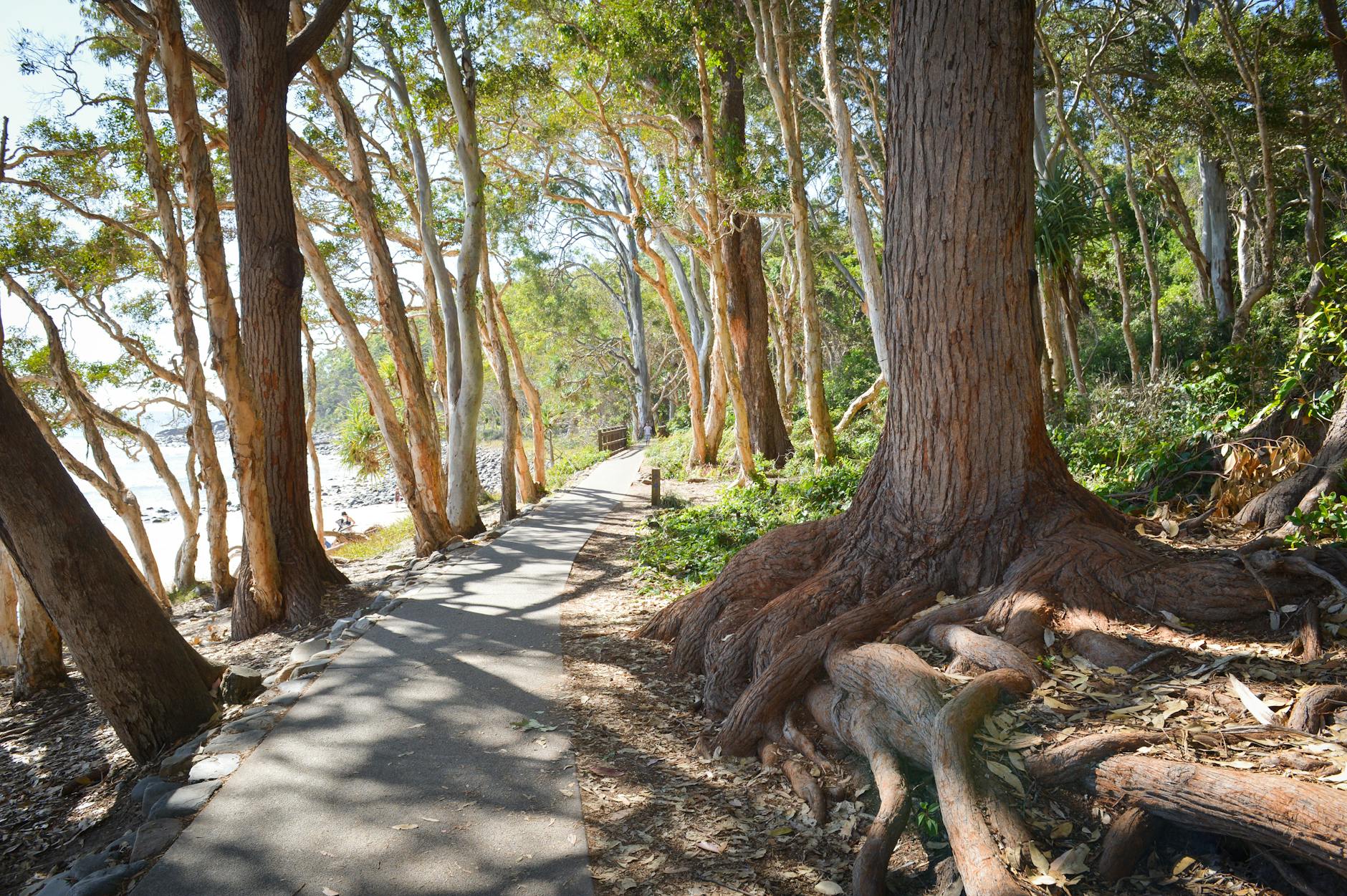
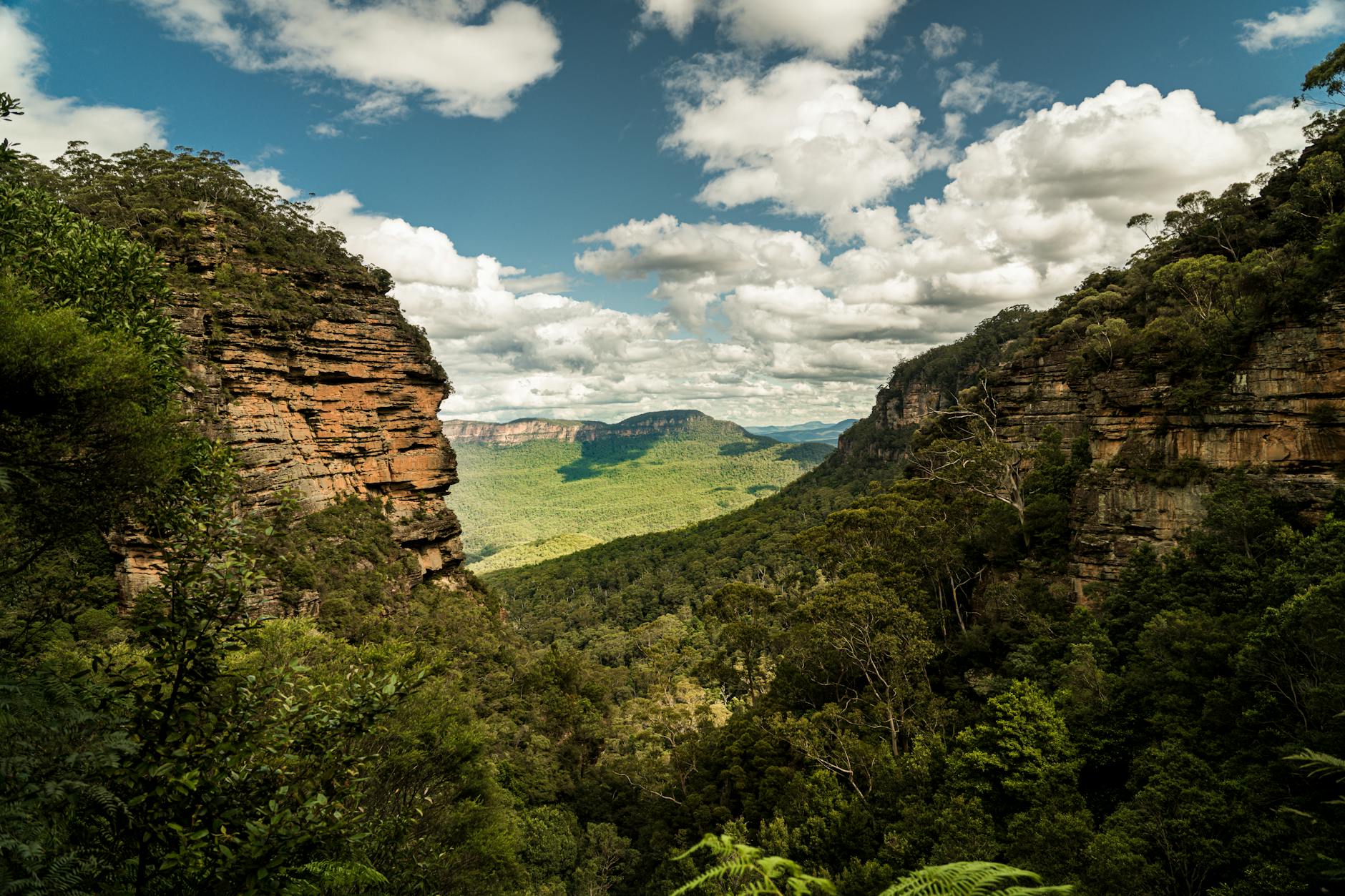
If you want the full Morialta experience in one go, the Three Falls Grand Hike is the one to do. It’s a loop of roughly 7 to 8 kilometres that takes in all three waterfalls and climbs up onto the ridge for sweeping views back down the gorge and out across the plain to the coast. Allow three to four hours at an unhurried pace with stops, and treat it as a proper half-day walk rather than a stroll. The ridge-top section is my favourite part of the whole park — you’re up among the grass trees with the gorge falling away below you, and on a clear winter morning you can see all the way to the gulf. There’s an optional detour to Giants Cave, a rock overhang up on the slopes that’s a fun add-on if your legs are willing. It’s a satisfying loop that earns its name, and one of the better day walks within easy reach of the city, comparable to the better-known climb up the Waterfall Gully to Mount Lofty trail just down the range.
Trails for every level
One of the things I like about Morialta is that it caters to genuinely everyone, from grandparents with a pram to trail runners chasing a sweaty hill workout. Here’s roughly how the options stack up.
Easy: The First Falls Valley walk is the gentle option — flat, short, about 40 minutes return, and it delivers the main waterfall without any real climbing. If you’ve got little kids or limited mobility, this is your walk, and you can pair it with the playground for a relaxed morning.
Moderate: Step up to the loops that take in Second Falls and you’re looking at something in the order of 4 to 5 kilometres, an hour and a half to two and a half hours, with a decent climb out of the valley and back. These are where the park really opens up, and the effort is modest for the payoff.
Hard: The Three Falls Grand Hike at 7 to 8 kilometres is the big one, with sustained climbing and the ridge traverse. For something even tougher you can link Morialta’s trails with the network in neighbouring Black Hill Conservation Park, which I’ll mention again below, and build a much longer day. Trail signage in the park is good, with colour-coded markers, but it’s still worth photographing the map at the trailhead before you set off.
The quartzite cliffs, rock climbing and abseiling
The walls of the gorge are made of ancient quartzite, and they’ve made Morialta one of Adelaide’s best-known spots for rock climbing and abseiling. If you’ve done the valley walk you’ll likely have seen climbers working the faces near First Falls — there’s a real community of them, and on a fine weekend you’ll spot ropes strung down the cliffs and the occasional helmeted figure inching up an improbable line. It’s not a beginner free-for-all; climbing here is for people who know what they’re doing or who go with a qualified guide, and there are seasonal closures on some cliffs to protect nesting peregrine falcons, so it’s not a turn-up-and-have-a-go situation. But even if you never touch the rock yourself, watching the climbers is part of the entertainment, and it gives you a real sense of the scale of those walls.
Morialta Mukanthi Nature Play — the best playground in the foothills
If you’re bringing kids, this is the part to get excited about. The Morialta Mukanthi Nature Play space, near the main car park, is a genuinely brilliant adventure playground — not the boring plastic-and-rubber kind, but a sprawling natural play area built into the bush with climbing structures, a flying fox, scrambling rocks, water play and shaded picnic spots. My nieces could happily spend a whole morning here without going anywhere near a waterfall, and on weekends and school holidays it’s the social heart of the park. The combination of a big nature playground at the bottom and a real gorge walk a few minutes away makes Morialta one of the best family outings in the whole city, and it earns its spot among our favourite Adelaide playgrounds and parks. It’s a regular fixture in our guide to the best things to do in Adelaide with kids, and it pairs naturally with the green-space ideas in our overview of Adelaide’s parks and gardens.
Wildlife you might actually see
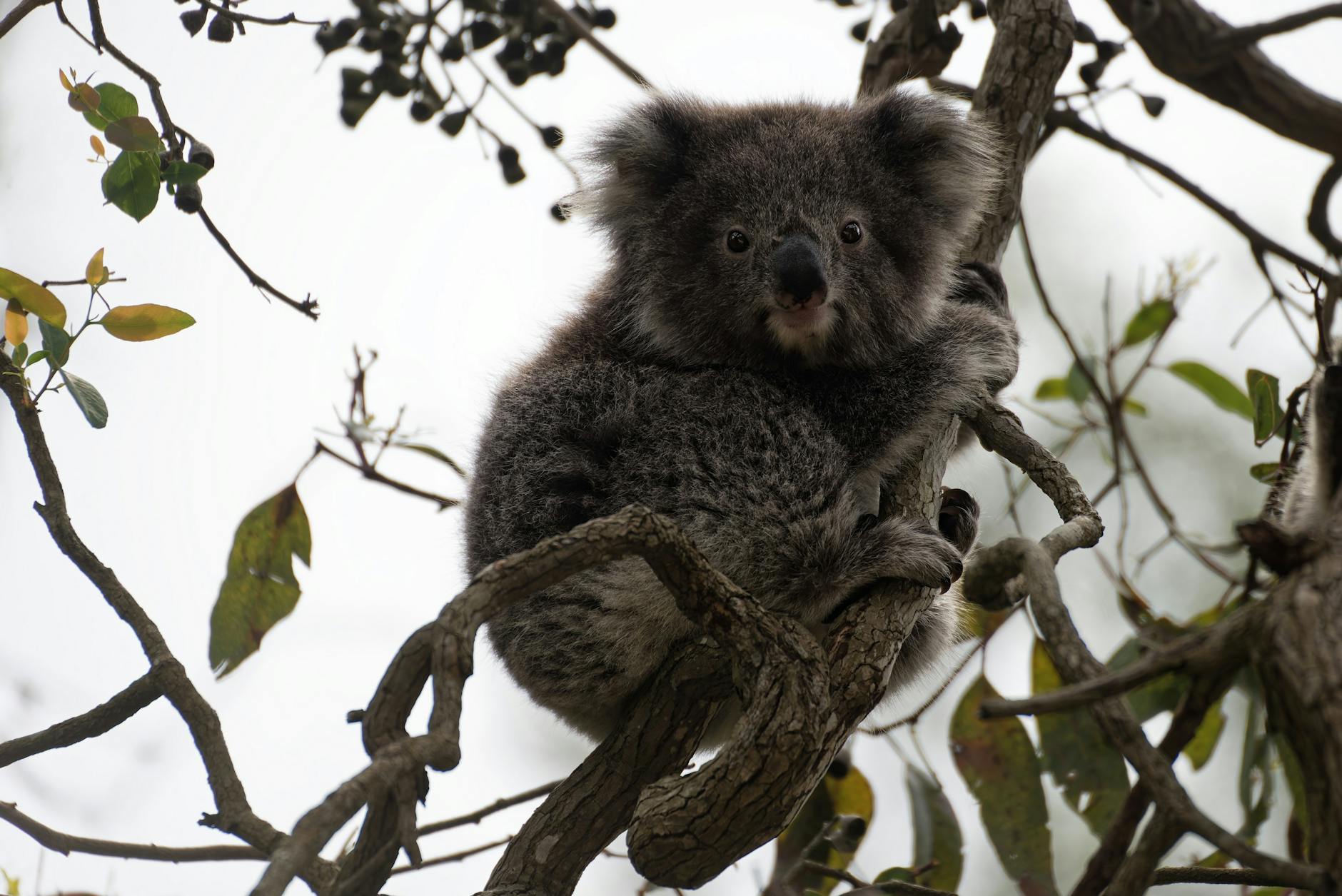
Morialta is properly good for wildlife, and not in the contrived, fenced-enclosure way — this is animals going about their business in their own patch. The headline species, of course, is the koala. They’re up in the manna and blue gums, and your best chance of spotting one is early in the morning or late in the afternoon, when they shift position and you can catch the movement; learn to scan the high forks of the trees and you’ll start seeing them. Bring binoculars if you have them.
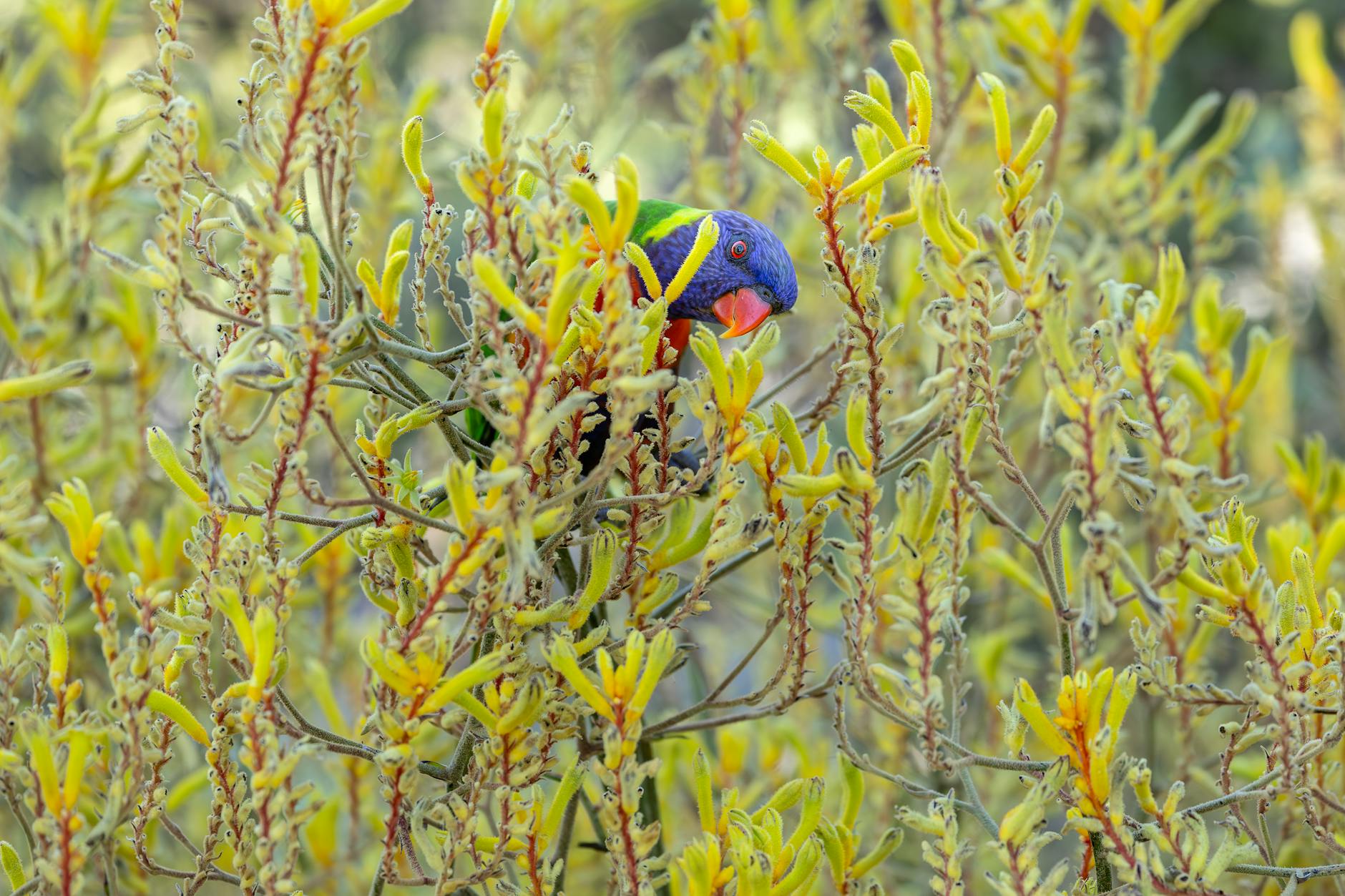
Beyond koalas, keep an eye out for echidnas snuffling through the leaf litter, especially on cooler days, and you may startle a western grey kangaroo on the quieter upper trails in the early morning. The birdlife is excellent: kookaburras laughing from the gums, rainbow lorikeets and rosellas streaking through in noisy flashes of colour, and — if you’re lucky and looking up — the peregrine falcons that nest in the gorge cliffs, the fastest animals on the planet, wheeling above the walls. It’s the kind of accessible wildlife watching that makes the park such an easy win, and if you want to guarantee close encounters you can always pair the trip with a more structured wildlife outing such as nearby Cleland Wildlife Park elsewhere in the hills. For a few more under-the-radar nature spots like this, our list of Adelaide’s hidden gems is worth a look.
When to go: chasing the water
Timing makes or breaks a Morialta trip, mostly because of those seasonal falls. The waterfalls run best in winter and spring — roughly June through October — and they’re at their most dramatic in the days after solid rain. A wet July weekend is prime time, with First Falls really moving and the creek full. By late summer, after months of dry, the falls can be down to a trickle or stop altogether, so if water is the whole point of your visit, plan around the wetter months. Winter is also when the gorge looks its lushest and greenest, the air is cool and clean, and the walking is comfortable rather than sweaty. It’s one of the standout free outings in our guide to Adelaide in winter, and it slots neatly into a broader run of cool-season ideas in our roundup of free things to do in Adelaide.
That said, the park is worth visiting year-round. Even when the falls are quiet, the trails, the playground, the wildlife and the ridge views are all still there. In summer just go early, before the heat builds, and treat it as a morning walk rather than a midday one. If you’re weighing up the seasons for your whole trip, our guide to the best time to visit Adelaide puts Morialta’s wet-season sweet spot in context.
Practical info: getting there, costs and staying safe
Entry to the park is free, which is part of why it’s such a reliable budget day out. There’s a large car park at the end of Morialta Falls Road by the playground and main trailheads; a small parking fee may apply at busy times, so check current park signage and have a card or coins handy just in case. The official park information also has the most up-to-date word on trail closures, opening hours and any fire restrictions, so it’s worth a quick look before you head up.
A few practical things I’d insist on. Wear proper shoes — the valley path is easy enough in anything, but the falls loops and the Grand Hike are uneven, rocky and often slippery near the water, and thongs will end in tears. Bring water, more than you think you’ll need, because there’s limited drinking water once you’re out on the trails and the climbs are warmer than they look. Carry a hat and sunscreen even on mild days; the UV here is high year-round, and the ridge sections are exposed.
Snakes, heat and fire days
This is the bush, so a few warm-weather warnings. From roughly October to April, snakes are active in the park — brown snakes among them — so stay on the marked trails, watch where you put your feet and hands, and keep dogs (where permitted) and kids close. They want nothing to do with you and will move off if you give them the chance. On hot days, walk early and carry extra water. And on declared catastrophic fire-danger days, the sensible move is simply not to go into the hills at all; check the fire warnings before a summer visit. For more general groundwork on getting around and staying comfortable, our broader things to do in Adelaide guide and the overarching Adelaide travel guide have you covered.
Make a half-day of it: pairing Morialta with Black Hill
Morialta backs directly onto Black Hill Conservation Park, and the two share a trail network, which means you can easily stitch them together into a bigger outing. If you’ve knocked off First Falls and the playground and still have energy, the Black Hill side offers more open hilltop walking with wide views over the city and the gulf — a different character to Morialta’s shaded gorge. Together they make a comfortable half-day in the foothills without ever driving more than a few minutes between trailheads. It’s exactly the kind of easy escape that makes living here so good, and it’s one of the shortest entries in our roundup of the best day trips from Adelaide, as well as sitting right at the heart of what our beaches and nature guide is all about.
How I’d spend a morning at Morialta
To make it concrete, here’s the trip I’d hand a visitor. Arrive by about 8:30am, partly to beat the crowds and the heat and partly because that’s when you’ve got the best shot at koalas and kangaroos. Do the easy First Falls valley walk first while the light is soft and the gorge is quiet — 40 minutes there and back, with time to linger at the lookout. If you’ve got the legs and a few hours, carry on up onto the loop towards Second Falls and the ridge for the big views, then drop back down to the car park. Let the kids loose on the Mukanthi nature playground to burn off whatever’s left in the tank, have a picnic in the shade, and you’re back in the city for lunch having properly been out in the bush. It’s the sort of low-cost, high-reward outing that, frankly, a lot of much bigger cities would kill for.
Frequently asked questions
Is Morialta Falls flowing?
It depends on the season. Morialta’s waterfalls are seasonal, fed by Fourth Creek, and they flow best in winter and spring (roughly June to October), especially in the days after good rain. By late summer they can slow to a trickle or dry up completely, so if seeing water is the goal, visit in the wetter months and check recent rainfall before you go.
How long is the Morialta waterfall walk?
The walk to First Falls, the most accessible of the three waterfalls, is an easy trail of about 40 minutes return from the main car park, mostly flat along the valley floor. If you want to take in all three falls on the Three Falls Grand Hike, that’s a loop of around 7 to 8 kilometres taking three to four hours.
Can you see koalas at Morialta?
Yes, Morialta is one of the better spots near Adelaide to see wild koalas in the gum trees. Your best chance is early in the morning or late in the afternoon, when they tend to move and become easier to spot in the high forks of the manna and blue gums. Bring binoculars and scan the treetops as you walk.
How much does it cost to visit Morialta Conservation Park?
Entry to the park is free. There’s a large car park near the playground and main trailheads where a small parking fee may apply at busy times, so bring a card or coins just in case and check current park signage. With free walking trails and a free nature playground, it’s one of the best-value outings near the city.
Is Morialta good for kids?
Very. The Morialta Mukanthi Nature Play space is a large, well-designed adventure playground with a flying fox, climbing structures, scrambling rocks and water play, set right by the car park. Combine it with the easy, stroller-friendly First Falls valley walk and you have one of the best family outings in Adelaide, with wildlife to spot along the way.
How far is Morialta from Adelaide city?
Morialta Conservation Park is only about 10 kilometres from the Adelaide CBD, in the foothills behind the eastern suburbs. The drive takes roughly 20 to 25 minutes, making it one of the easiest half-day nature escapes from the city. It also adjoins Black Hill Conservation Park, so you can combine the two into a longer outing.