
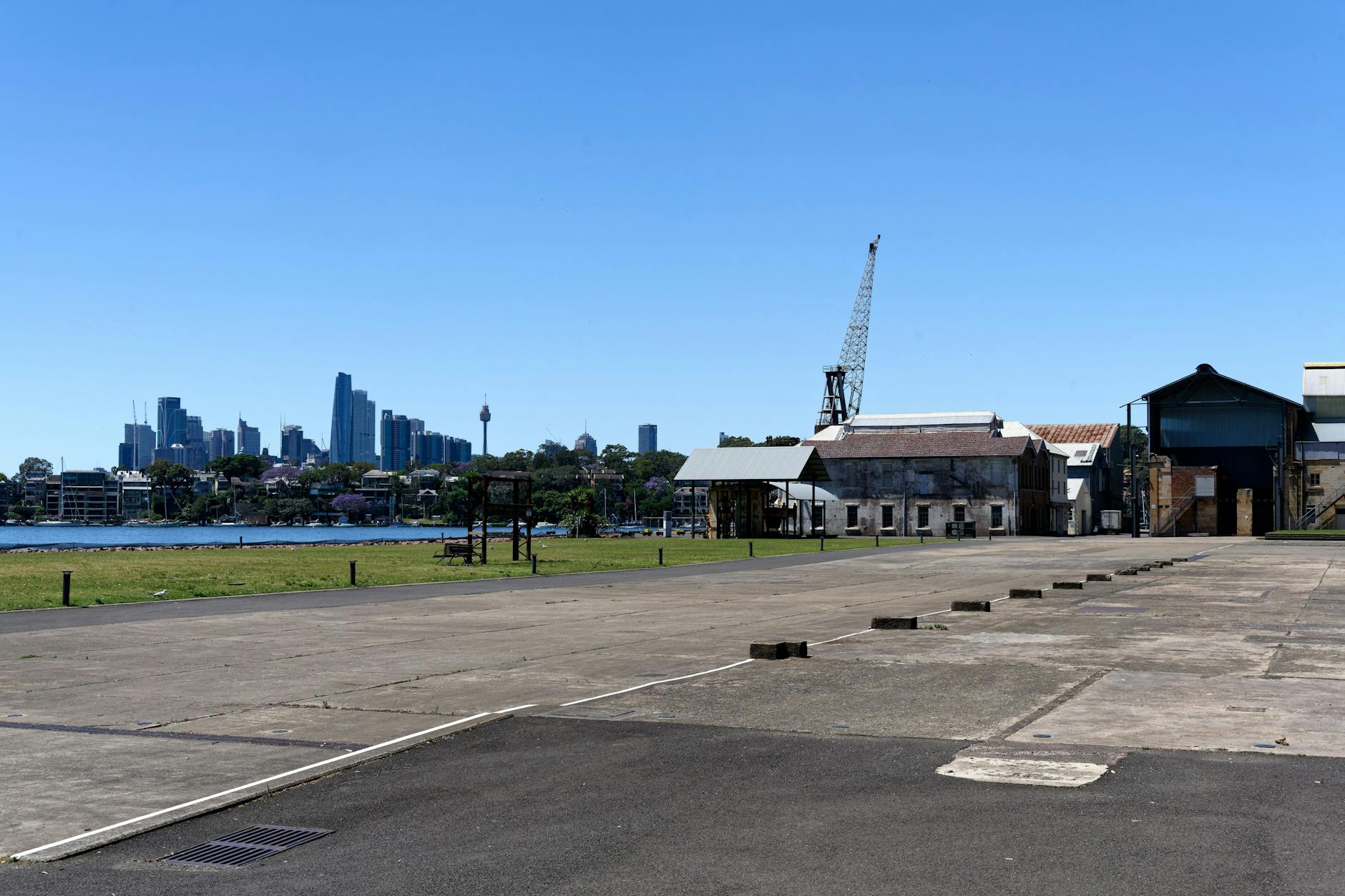
If you’ve only ever seen the polished, tree-lined version of the city, Port Adelaide will throw you a little, and I mean that as the highest compliment. About twenty to thirty minutes northwest of the CBD sits South Australia’s first State Heritage Area, a working port where 19th-century bond stores and wool warehouses now house breweries, galleries and cafes, where a community of wild dolphins lives in the river, and where the street art is some of the best in the country. It’s grittier than the genteel CBD, and that’s exactly the point. For the bigger picture of what’s on offer across the city, start with our guide to the best things to do in Adelaide, then come back here, because the Port deserves a day of its own.
I send out-of-towners here when they tell me Adelaide feels a bit too neat, a bit too quiet. The Port has texture. It has salt in the air and history in the brickwork and a faintly rough-around-the-edges charm that the rest of the city has mostly sanded smooth. Here’s how I’d spend a day down there.
Why visit Port Adelaide?
The short version: it’s the most characterful corner of greater Adelaide, and it’s the only place in the city where heritage, wildlife, art and a decent pint all sit within a few hundred metres of each other. The Port was the colony’s gateway, the place where ships unloaded the people and cargo that built South Australia, and you can still read that story in the streetscape. The wide wharves, the red brick warehouses, the old hotels on every corner, it’s a Victorian port town that history more or less left alone, then a wave of artists, brewers and small-bar operators quietly moved in.
What makes it special is that it never tipped over into theme-park tourism. People still live and work here. The markets are real markets, the pubs are real pubs, and the dolphins genuinely don’t care that you’ve come to see them. If you like your travel with a bit of grit and a real sense of place, this is your spot. It’s also one of the better-value days out going, with several free or cheap attractions, which is why it turns up in our roundup of free things to do in Adelaide.
How to get to Port Adelaide
Getting to the Port is genuinely easy, and you don’t need a car. The Outer Harbor train line runs from the Adelaide Railway Station on North Terrace straight to Port Adelaide station, and the trip takes somewhere around twenty-five to thirty minutes. Trains are frequent enough on weekdays and run on weekends too. There are buses as well if the timing suits you better, but the train is the no-fuss option and drops you a short walk from the heritage precinct, the museums and the waterfront.
If you’d rather drive, it’s a straightforward twenty-minute run northwest of the CBD outside peak hour, and parking around the Port is plentiful and mostly free, which is a small miracle by inner-city standards. Tap on with a metroCARD or contactless card for the train, and if you want the full breakdown of zones, fares and the off-peak savings, our Adelaide public transport guide walks you through it. My honest steer: take the train down, walk and wander all day, and you’ll barely think about transport again.
The Port River dolphins and the river cruises
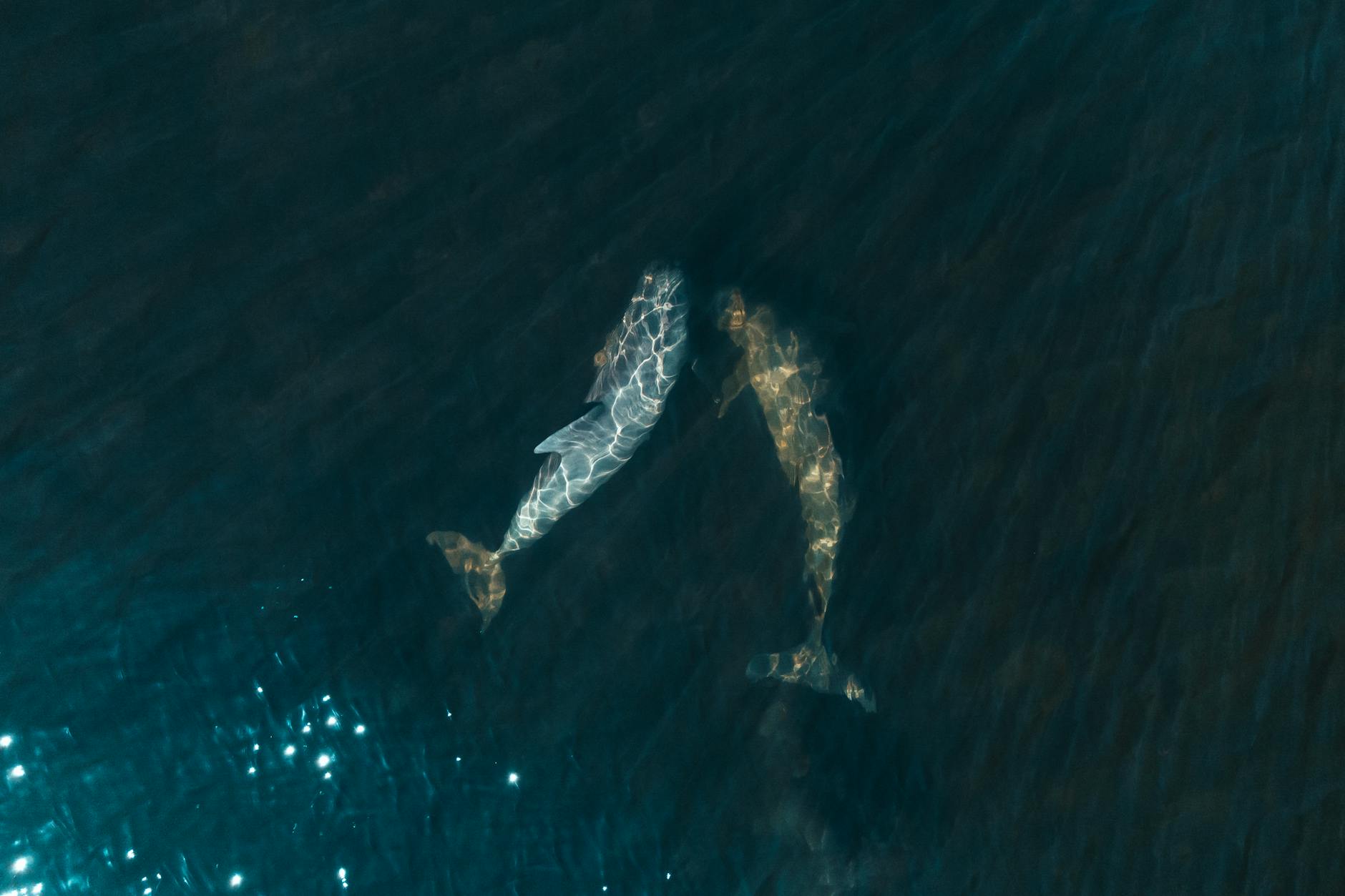
This is the headline act, and it still surprises people that it’s real. The Port River is home to a resident community of wild bottlenose dolphins, among the most urbanised dolphins anywhere in the world. They live and breed in the estuary alongside the working port, and the whole stretch is protected as the Adelaide Dolphin Sanctuary. You can sometimes spot them from the wharf or the bridges if you’re lucky and patient, but the reliable way to see them is to get out on the water.
The Port River dolphin cruises run roughly ninety minutes and take you out through the estuary where the dolphins live. The good operators know the family groups and won’t chase or crowd them, which matters, these are wild animals in their home, not a show. The cruise does double duty as a heritage tour too, because the route passes the Garden Island Ships’ Graveyard, an eerie, brilliant maritime relic where more than twenty-five vessels were deliberately scuttled and left to rot into the mangroves. Rusting hulls, half-sunk ketches, the lot. It’s a genuine Adelaide oddity, and it features in our list of Adelaide’s hidden gems for good reason.
Will you actually see dolphins?
Mostly, yes, but I’ll be honest with you: they’re wild, so there’s never a cast-iron guarantee. The resident population is well established and sightings on the cruises are common, particularly in the warmer months. Bring binoculars, keep your eyes on the water rather than your phone, and manage your expectations and you’ll usually be rewarded. If dolphins are non-negotiable for you, there are also swim-and-watch cruises that leave from Glenelg on the other side of town, which I cover in our guide to Glenelg.
The museums: maritime, rail and aviation
For a smallish suburb, the Port packs in a serious cluster of museums, and they’re the reason a lot of families make the trip. The South Australian Maritime Museum is the obvious starting point, housed in an 1850s bond store, it tells the story of the port that the whole town grew up around, with ship models, a lighthouse you can climb, and migration tales that hit harder than you’d expect. It’s hands-on enough to keep kids engaged and meaty enough for the adults.
A short walk away is the National Railway Museum, the largest of its kind in Australia, a vast shed and yard full of locomotives, carriages and rolling stock you can clamber over. Train-mad kids lose their minds here, and frankly so do a few of the grown-ups. Round it out with the Aviation Museum nearby if planes are more your thing. Between the three you’ve got the makings of a full day under cover, which makes the Port a brilliant wet-weather backup. If museums are your reason to come to Adelaide at all, pair this with the institutions on North Terrace, our guides to Adelaide’s museums and galleries and the free, world-class South Australian Museum will fill out the itinerary.

The street art trail
Here’s where the Port quietly out-cools the rest of the city. A few years of the Wonderwalls festival left a legacy of enormous, museum-grade murals splashed across the warehouse walls and laneways, and they’ve turned the heritage precinct into an open-air gallery. We’re talking multi-storey portraits, native birds the size of buildings, surreal dreamscapes wrapped around old brick facades. It’s free, it’s outdoors, and it’s the kind of thing that makes you stop in the middle of the street with your neck craned back.
The best way to see it is on a self-guided street-art trail, just point yourself down the side streets around the main heritage drag and let yourself get a bit lost. Half the joy is rounding a corner onto a piece you didn’t know was there. Bring a camera; the light on the brick in the late afternoon is gorgeous. If you catch the street-art bug, the city centre has its own scene too, mapped out in our Adelaide street art tour. The Port and the CBD together make a proper street-art weekend.
Breweries, distilleries and where to eat
All those grand old warehouses had to become something, and a good chunk of them became breweries and distilleries. Pirate Life Brewing has a big taproom down here that anchors the scene, all exposed steel and long tables and a rotating tap list, but it’s far from the only one. There’s a clutch of small breweries, distilleries and bars tucked into the heritage buildings, and the short walkable distances mean you can do a relaxed crawl on foot without ever needing to drive.
For eating, the Port has come a long way from the days when it was strictly counter meals. You’ll find proper cafes for breakfast and lunch, fish and seafood with a view of the water, and the kind of casual brewery food that goes down well after a cruise. It’s not fine dining and it isn’t trying to be, this is hearty, honest, good-value eating. If you want to slot the Port’s beer scene into a wider city plan, our roundup of the best bars in Adelaide puts it in context with the laneway scene back in town.
Markets and the Hart’s Mill precinct
The Port really comes alive on the weekend, and the markets are a big part of that. The Fisherman’s Wharf Market is the classic, a rambling, treasure-hunt of a place packed with bric-a-brac, vintage finds, collectables and the occasional genuine gem, the sort of market where you go in for nothing and come out with a 1960s lamp. The People’s Market runs Friday through Sunday and leans more towards food, makers, music and a relaxed wander.
Then there’s the Hart’s Mill precinct down on the waterfront, a beautifully repurposed old flour mill that now hosts events, markets and gatherings against a backdrop of the river and the wharf. There’s open space, food trucks turn up, and the whole area has become a community hub. Check what’s on before you go, because catching the precinct on an event day adds a lot to the trip. The markets and the makers down here have the same insider, locals-first feel that runs through our hidden gems guide.
A self-guided heritage walk
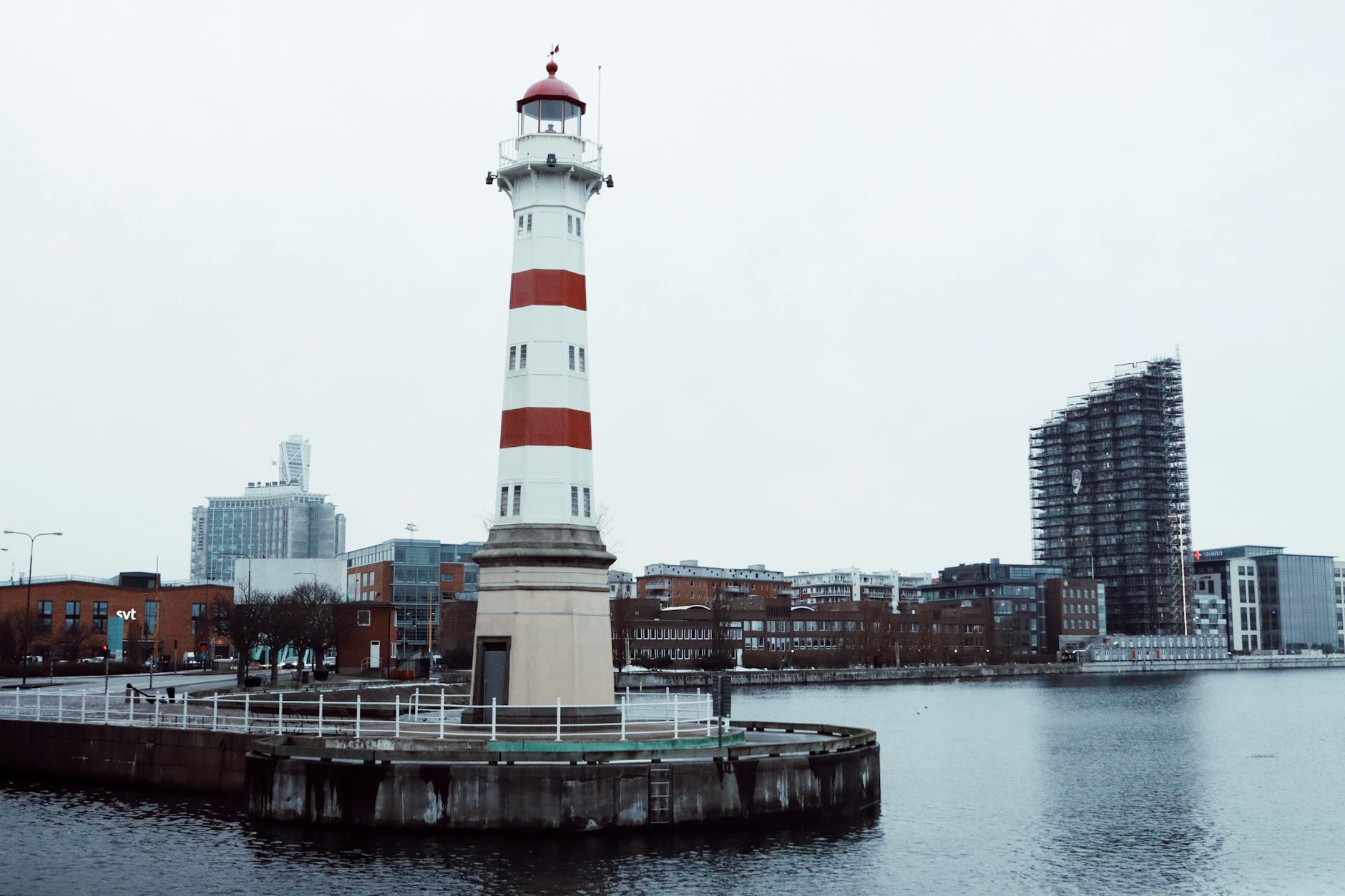
Even if you do nothing else, just walking the Port is worth the train fare. As South Australia’s first State Heritage Area, the precinct is dense with 19th-century architecture, the bond stores, the customs house, the grand old hotels, the warehouses with their original signage still ghosting through the paint. Wander down to the water and you’ll find the lighthouse, a handsome red structure relocated to the wharf, which has become the unofficial mascot of the place and the single most photographed thing in the Port.
The wharves themselves tell the story: this is where migrants stepped off ships onto a new continent, where wool and wheat went out to the world, where the colony connected to everywhere else. It’s a tangible, walkable slice of South Australian history, and it pairs beautifully with the deeper background in our history of Adelaide. Take your time, read the heritage plaques, and let the place fill in the story for you.
Port Adelaide with kids
The Port is a quietly brilliant family day out, and a lot of parents underrate it. The dolphin cruise is the obvious winner, kids and wildlife on the water is a hard combination to beat, and the museums are tailor-made for them. The Maritime Museum has a lighthouse to climb and plenty to touch, and the National Railway Museum lets them clamber over real trains, which for a certain kind of child is the best day of their entire trip. The street art doubles as a free scavenger hunt; set them the task of spotting the biggest mural.
Add in the open space at Hart’s Mill, the market snacks on a weekend, and the easy train ride that’s an adventure in itself, and you’ve got a full day that doesn’t cost a fortune. For more along these lines across the whole city, our guide to Adelaide with kids has the rest of the family-friendly picks.
A suggested day in Port Adelaide
To make it concrete, here’s how I’d run a perfect day down at the Port. Catch the mid-morning train from the city and arrive in time for a coffee and breakfast at one of the waterfront cafes. Spend the late morning on a dolphin cruise out through the estuary and past the Ships’ Graveyard, so you’re on the water while it’s calm. Back on dry land, grab lunch, then split the early afternoon between the Maritime Museum and the National Railway Museum if you’ve got museum-lovers in tow, or wander the street-art trail if you’d rather be outside.
Mid-afternoon, slow down with a beer at the Pirate Life taproom or one of the smaller breweries, then walk it off with a loop of the heritage precinct, finishing at the red lighthouse on the wharf for that golden-hour photo. If it’s a weekend, time it so you hit the markets or whatever’s on at Hart’s Mill. Train back to the city by early evening, and you’ve had one of the most varied, characterful days greater Adelaide can offer. It slots neatly into a longer stay too, our 3-day Adelaide itinerary shows where a Port day fits best.
Practical information for visiting the Port
A few things worth knowing before you go. The Port works best as a half-day to full-day trip; don’t try to cram it into a busy CBD afternoon, it deserves the room to breathe. Weekends are when the markets, the Hart’s Mill events and the buzz are at their peak, but the museums and the cruises run through the week and you’ll have the streets more to yourself midweek. Wear comfortable shoes, because the joy of the place is wandering, and bring sun protection year-round, the UV here is high even on mild days and there’s not much shade on the open wharves.
Book your dolphin cruise ahead, especially in summer and on weekends, as the good ones fill up. Check the markets’ and the precinct’s schedules before you commit to a day, since a lot of the Port’s life is event-driven. Tipping isn’t expected anywhere in Australia, so don’t feel you need to. And take cash for the markets, even though most stalls take cards these days, the bric-a-brac sellers don’t always. Do all that and the Port will reward you with the most genuine, lived-in day out in the whole city.
Frequently asked questions
Can you see dolphins at Port Adelaide?
Yes. The Port River is home to a resident community of wild bottlenose dolphins, among the most urbanised dolphins in the world, protected within the Adelaide Dolphin Sanctuary. You can occasionally spot them from the wharf, but the reliable way to see them is on a roughly 90-minute Port River dolphin cruise, which also passes the Garden Island Ships’ Graveyard. As they are wild animals, sightings are common but never fully guaranteed.
How do you get to Port Adelaide?
The easiest way is the Outer Harbor train line from Adelaide Railway Station on North Terrace, which reaches Port Adelaide in around 25 to 30 minutes. Buses run there too, and by car it’s about a 20-minute drive northwest of the CBD with plentiful, mostly free parking. Tap on with a metroCARD or contactless card for the train and you won’t need a car all day.
Is Port Adelaide worth visiting?
Absolutely, especially if you want a side of Adelaide with more grit and character than the polished CBD. As South Australia’s first State Heritage Area, it combines wild river dolphins, the country’s largest railway museum, a major maritime museum, world-class street art, breweries in old warehouses and weekend markets, all within an easy walk. It makes an excellent half-day or full-day trip.
What is Port Adelaide known for?
Port Adelaide is known for being South Australia’s first State Heritage Area, a historic working port whose 19th-century warehouses now house breweries, galleries and cafes. It’s famous for its resident Port River bottlenose dolphins, the South Australian Maritime Museum and Australia’s largest National Railway Museum, the huge Wonderwalls street-art murals, and its weekend markets and the red waterfront lighthouse.
What are the best things to do in Port Adelaide with kids?
The standouts for families are a dolphin cruise on the Port River, climbing the lighthouse and exploring the hands-on exhibits at the South Australian Maritime Museum, and clambering over real locomotives at the National Railway Museum, the largest in Australia. The free street-art trail makes a great scavenger hunt, and the open space at the Hart’s Mill precinct suits letting kids run around, especially on a market day.
How long should you spend in Port Adelaide?
Allow at least a half-day, and a full day if you want to fit in a dolphin cruise, a museum or two, the street-art trail, a brewery and the markets. Weekends are liveliest thanks to the Fisherman’s Wharf Market, the People’s Market and events at Hart’s Mill, while midweek is quieter with the museums and cruises still running. It’s an easy day trip by train from the city.


